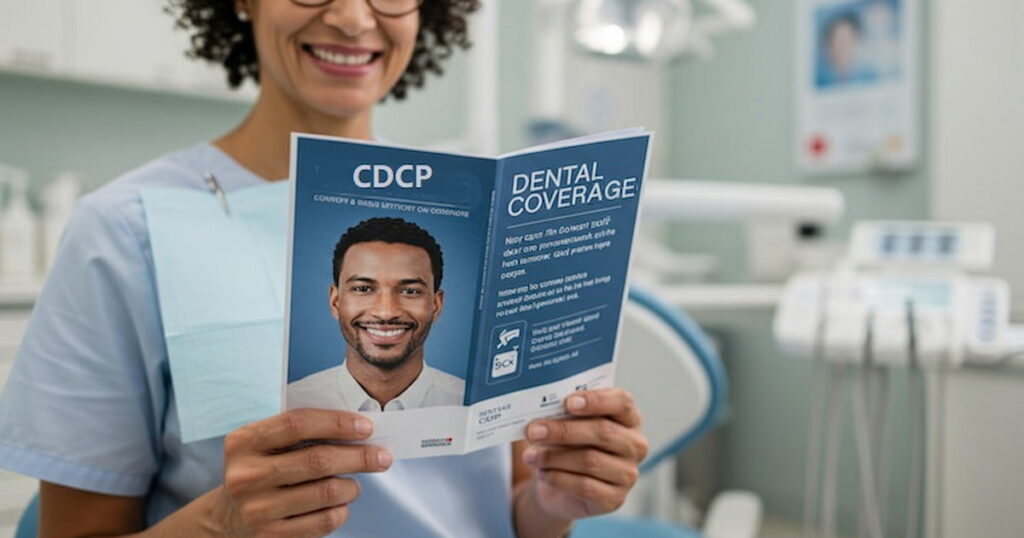
One of the most common concerns patients have is whether their dental treatment will be fully covered under CDCP.
The reality is that CDCP coverage in 2026 includes many essential services such as exams, cleanings, fillings, and some major procedures like CDCP for root canals and dentures. However, coverage is not the same for every patient. The amount paid depends on your income level, the clinical necessity of the treatment, and whether approval is required before starting.
Some treatments are fully covered, while others are only partially covered. In certain cases, patients may still have a co-payment or need to cover the difference between CDCP fees and clinic fees. Understanding this before your visit can help you avoid confusion and make informed decisions about your oral health.
What Does CDCP Coverage 2026 Include?
CDCP coverage is based on standard categories used in dentistry. Each category reflects a different level of care, from prevention to more advanced treatments.
Diagnostic and Preventive Care
These services are the foundation of oral health and are strongly emphasized under CDCP. They allow dentists to detect issues early and prevent disease progression.
- Exams and checkups
- X rays
- Teeth cleaning
- Fluoride treatments
Regular exams help identify cavities, gum disease, or infections before they worsen. Cleanings remove plaque and tartar that cannot be eliminated with brushing alone. Preventive care is often the most accessible and cost-effective part of CDCP because it reduces the need for more complex treatments later.
Basic Dental Treatments
Basic treatments are used to manage common dental problems that have already developed but are still relatively straightforward to treat.
Fillings are used to restore teeth affected by decay. These procedures are essential for stopping the progression of cavities and preserving the natural tooth. Without timely treatment, small cavities can grow and lead to infections or the need for root canal therapy.
In some cases, repairs to existing dental work may also be included if they are necessary to maintain oral health.
If you’d like to understand your options, including materials, durability, and what may be covered, visit our detailed guide on different types of cavity fillings.
Major Dental Procedures
Major procedures are more complex and are usually recommended when a tooth is significantly damaged or infected.
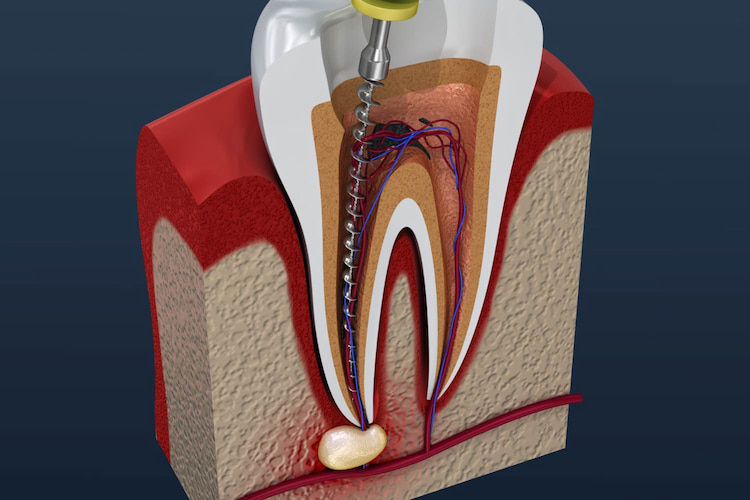
Root canal treatment is used to remove infection from inside the tooth and save it from extraction. Dental crowns may be used to protect weakened teeth after treatment. Dentures help restore function for patients who have lost one or more teeth.
Because these procedures involve higher costs and more complex planning, they often require preauthorization. This ensures that the treatment is necessary and meets CDCP guidelines before it is approved.
Oral Surgery and Emergency Care
Oral surgery includes procedures such as tooth extractions and treatment of infections that cannot be managed with simpler methods.
Emergency dental care is an important part of CDCP. Severe tooth pain, swelling, trauma, or infection requires immediate attention. These conditions are not only painful but can also affect overall health if left untreated.
At dental clinics, patients with urgent conditions are prioritized based on the severity of symptoms. Prompt care can prevent complications and reduce the need for more invasive treatment.
You can also check your eligibility and application progress anytime using our CDCP status checker.
Sedation and Anesthesia
Sedation and anesthesia may be included when medically necessary. This is typically considered in cases where the procedure is complex or when a patient has difficulty tolerating treatment due to anxiety or medical conditions.
CDCP Coverage is not automatic and depends on clinical justification. The dentist must determine whether sedation is essential for safe and effective care.
Orthodontic Coverage
Orthodontic treatment under CDCP coverage is limited and focused on severe cases that affect oral function or overall health. Cosmetic orthodontics, such as clear aligners for aesthetic improvement, are not covered. This reflects the program’s focus on necessary care rather than elective treatments.
If you’re looking for a provider who accepts the plan, use our simple guide to find a CDCP dentist near you.
What Is Not Covered Under CDCP?
Understanding exclusions is important so patients can plan and avoid unexpected costs:
- Teeth whitening
- Veneers
- Cosmetic orthodontics
- Optional or upgraded treatments
These procedures are considered elective because they improve appearance rather than treat disease. CDCP follows principles similar to those supported by the World Health Organization, which prioritize essential health services.

How Much Does CDCP Coverage 2026 Actually Pay?
Many patients expect full coverage, but CDCP does not always pay 100% of treatment costs. The amount covered depends on your income level, the procedure, and whether the treatment is pre-approved.
Below is a simple breakdown of common dental services and what patients may typically pay out of pocket in 2026:
| Dental Service | What CDCP Typically Covers | Estimated Patient Cost (Out-of-Pocket) |
|---|---|---|
| Dental Exam | Usually covered | $0 – $30 |
| Dental Cleaning (Scaling) | Usually covered | $0 – $60 |
| Dental X-rays | Usually covered | $0 – $50 |
| Fillings (Cavity Treatment) | Partially or fully covered | $0 – $150 |
| Root Canal Treatment | Partially covered, often needs approval | $200 – $900 |
| Dental Crown | Limited coverage, approval required | $400 – $1,200 |
| Tooth Extraction | Often covered if medically necessary | $0 – $300 |
| Dentures | Partially covered, depending on the case | $500 – $2,000+ |
What This Table Means for Patients
CDCP reduces dental costs significantly, but it does not always eliminate them. The final amount you pay depends on:
- Your income bracket under the program
- Whether the treatment is considered medically necessary
- CDCP fee guide vs clinic fee differences
- Preauthorization approval for major procedures
Important Note for Patients: Even if a treatment is covered, the dental clinic must follow CDCP fee schedules, and some services may still include a small balance. Your dentist will always explain costs before treatment, so there are no surprises.
Do You Need Preauthorization?
Preauthorization is required for certain treatments to confirm that they meet CDCP criteria. This process involves submitting clinical information and a treatment plan for review. Approval must be received before the procedure begins.
While this may take some time, it helps ensure that patients understand their coverage and avoid unexpected expenses.
CDCP Dental Care in North York!
Schedule an appointment at Smile Avenue Dentistry in North York to review your CDCP coverage and receive personalized care.
Why Patients Trust Smile Avenue Dentistry
Patients choose Smile Avenue Dentistry because of a commitment to transparency and evidence-based care. All treatments follow professional standards from the Canadian Dental Association and are based on individual clinical needs rather than generalized recommendations.
Our North York location near Yonge and Sheppard makes access to care convenient, especially for patients seeking reliable guidance on CDCP coverage.
If you are also receiving government assistance, you can learn how dental benefits work under ODSP dental coverage in 2026 and what services may be covered by visiting our detailed guide.
This article has been reviewed by Dr. Ehsan Bayegan, a DDS-trained dentist with expertise in general dentistry, implantology, oral surgery, and periodontics, known for precision-focused, patient-centered care and strong experience in complex dental treatments.
CDCP coverage 2026 helps you plan your dental care with confidence
Understanding CDCP coverage 2026 allows you to make informed decisions about your oral health and avoid unexpected costs. Knowing what is covered, when preauthorization is needed, and how co-payments work can help you move forward with treatment smoothly and without confusion.
At Smile Avenue Dentistry in North York near Yonge and Sheppard, we provide comprehensive care for patients using CDCP, including dental exams, dental hygiene services, and preventive services such as oral cancer screening. Our team guides you through every step, from verifying your coverage to clearly explaining your treatment options, so you can feel confident about your care.
It is important to remember that the information provided here is for educational purposes only and does not replace an in-person dental evaluation. Every patient’s situation is unique, and a licensed dentist must assess your teeth, gums, and overall oral health to determine the most appropriate treatment plan.
FAQ
-
How often can I get a dental cleaning under CDCP coverage 2026?
The frequency depends on your oral health condition and CDCP guidelines. Your dentist will determine how often cleanings are clinically necessary and eligible for coverage.
-
Can I choose any dentist with CDCP?
You can visit dental clinics that accept CDCP. It is important to confirm participation before booking your appointment.
-
What happens if my treatment is not approved?
If a procedure is not approved, your dentist may recommend alternative treatments that are covered or discuss out-of-pocket options with you.
-
Does CDCP cover emergency dental visits?
Yes, emergency care such as pain relief, infection treatment, or extractions is typically covered when medically necessary.
-
What should I do before my first CDCP dental visit?
Bring your identification and any CDCP-related documents. It is also helpful to ask your clinic to explain your coverage and any potential costs in advance.
Have a question about your CDCP coverage or a dental concern?
Send us your question, and our team will provide clear and helpful guidance.