

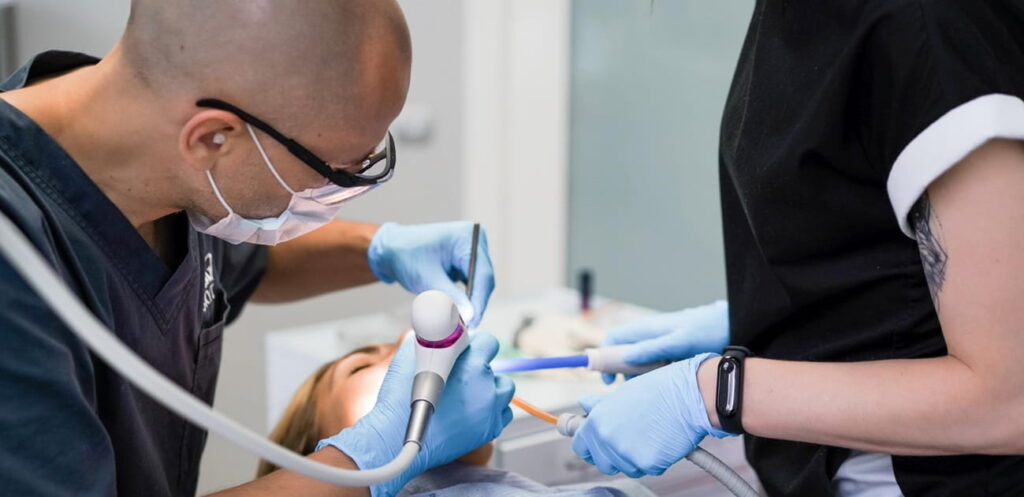
Yes, the Canadian Dental Care Plan (CDCP) can help pay for eligible root canal treatment. Coverage is not automatic for every tooth or every situation. The type of tooth, whether the treatment is a first root canal or a re-treatment, the condition and restorability of the tooth, your active CDCP eligibility, and any preauthorization requirements can all affect coverage.
Updated for 2026: Standard root canal treatment on front teeth, bicuspids (premolars), and first and second molars does not normally require CDCP preauthorization. Root canal re-treatment, apicoectomy, retrofilling, and standard root canal treatment on third molars require preauthorization.
Does CDCP Cover Root Canal Treatment?

The CDCP includes endodontic services such as root canal treatment, pulpectomy, procedures used to reduce infection and relieve pain, and some root canal re-treatments. A dentist must first determine that root canal treatment is clinically appropriate and that the tooth meets the CDCP’s eligibility and restorability criteria.
| Service or tooth | CDCP status | Preauthorization |
| Standard root canal on incisors or canines | May be covered when criteria are met | Normally not required |
| Standard root canal on bicuspids (premolars) | May be covered when criteria are met | Normally not required |
| Standard root canal on first or second molars | May be covered when criteria are met | Normally not required |
| Standard root canal on a third molar (wisdom tooth) | May be considered in limited situations | Required |
| Root canal re-treatment | May be considered when criteria are met | Required |
| Apicoectomy or retrofilling | May be considered when criteria are met | Required |
| Crown, core or post after root canal treatment | Separate CDCP services with separate criteria | Preauthorization is required for crowns, cores and posts |
Important: Root canal coverage does not automatically include every service needed to restore the tooth afterward. A crown, core, post, filling, x-ray, examination or other procedure may be billed and assessed separately under CDCP rules.
Does CDCP Cover Root Canals on Molars?
Yes, standard root canal treatment on first and second molars may be covered without preauthorization when the tooth meets CDCP criteria. The previous statement that molar root canals are not covered is no longer accurate.
Third molars are treated differently. Standard root canal treatment on a third molar requires preauthorization and may only be considered in specific circumstances—for example, when the first and second molars are missing and the third molar functions against a natural or prosthetic molar.
What Does the CDCP Consider Before Covering a Root Canal?
The CDCP Dental Benefits Guide states that a tooth must meet both tooth-eligibility and restorability criteria. The dentist may need to assess or document factors such as:
- which tooth requires treatment
- whether the tooth has adequate bone and periodontal support
- whether there is active periodontal disease
- whether enough healthy tooth structure remains for a predictable restoration
- whether the tooth can be restored without additional procedures that fall outside the criteria
- whether the request involves a standard root canal, a re-treatment or endodontic surgery
- whether any applicable frequency limits or preauthorization requirements have been met
Coverage rules do not replace the dentist’s clinical judgment. Your dentist recommends treatment based on your oral health; CDCP determines whether the proposed service qualifies for payment under its rules.
Who Is Eligible for the CDCP?
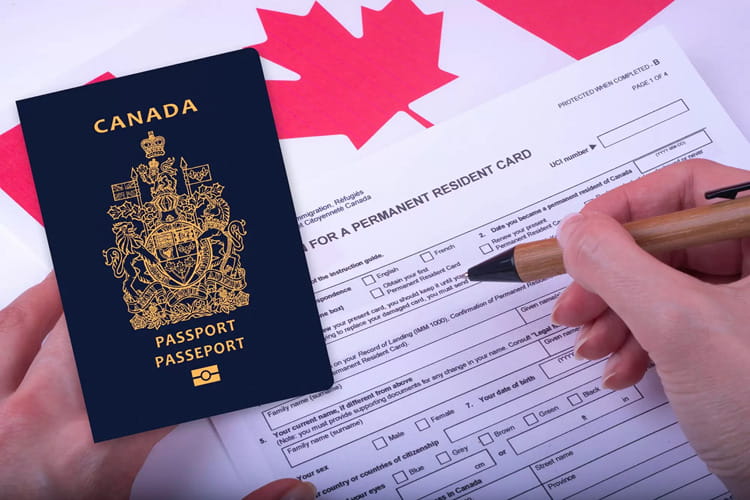
There is no general requirement to be older than 18. To qualify for the CDCP, an applicant must meet all four current requirements:
- Have no access to private dental insurance or coverage, including eligible coverage through work, a pension plan, a family member’s plan, a professional or student organization, or privately purchased dental insurance.
- Have filed the required Canadian tax return for the previous year. A spouse or common-law partner must also have filed, when applicable.
- Have an adjusted family net income below $90,000.
- Be a Canadian resident for tax purposes.
Coverage through a provincial, territorial or federal government social program does not necessarily make someone ineligible. In some cases, government plans can coordinate benefits with the CDCP.
Related guide: Does CDCP Cover Braces and Orthodontics in Canada?
How Much Does a Root Canal Cost Under the CDCP?
There is no single national amount that every patient will pay for a root canal. The cost can vary by tooth, number of canals, treatment complexity, provider fees, required imaging, whether a general dentist or endodontist provides care, and the restoration needed after treatment.
The CDCP reimburses eligible services according to its own established fees. Your provider’s fee may be higher than the CDCP amount. Your out-of-pocket cost may include an income-based co-payment, the difference between the provider’s fee and the CDCP-established fee, and any services that are not covered.
| Adjusted family net income | CDCP reimbursement of its established fee | Member co-payment |
| Below $70,000 | 100% | 0% |
| $70,000 to $79,999 | 60% | 40% |
| $80,000 to $89,999 | 40% | 60% |
No co-payment does not always mean no bill. Even when adjusted family net income is below $70,000, a patient may still owe the difference if the provider charges more than the CDCP-established fee or if part of the treatment is not covered.
Does a CDCP Root Canal Need Preauthorization?
Standard root canal treatment on anterior teeth, bicuspids, and first and second molars normally does not require preauthorization. However, the tooth must still meet CDCP eligibility and restorability criteria.
Preauthorization is required for:
- root canal re-treatment
- apicoectomy
- retrofilling
- standard root canal treatment on a third molar
- services requested beyond applicable CDCP limits
- a crown, core or post that may be needed after the root canal
When preauthorization is required, the provider submits the request and supporting information before treatment. Approval is not guaranteed. Patients should wait for the coverage decision unless the provider explains that immediate care is medically necessary and reviews the possible cost.
What to Confirm Before Starting Treatment
- Confirm that your CDCP coverage is active on the treatment date.
- Ask whether the dental office is accepting CDCP patients and can submit claims directly.
- Ask which procedures are included in the proposed treatment plan.
- Confirm whether any service requires preauthorization.
- Request an estimate showing the provider fee, expected CDCP payment and estimated patient portion.
- Ask whether a filling, crown, core or post will be needed after the root canal and whether it is covered separately.
Need a Root Canal Assessment in North York?
Contact Smile Avenue Dentistry to ask about appointment availability and whether the proposed treatment can be submitted under the CDCP. Coverage, preauthorization and your estimated patient portion must be confirmed before treatment.
How to Apply for the CDCP in 2026
Applications are open for the 2026–2027 benefit year. Eligible applicants can apply online through My Service Canada Account or the Canada.ca application process. People who cannot apply online can call Service Canada at 1-833-537-4342.
Before applying, have the required personal information available and make sure you and your spouse or common-law partner, when applicable, have filed the required Canadian tax returns. After approval, confirm the coverage start date before receiving treatment. CDCP eligibility must also be confirmed again during each renewal period.
Apply through the official source: Government of Canada — Apply for the CDCP
Why a Dentist May Recommend Root Canal Treatment
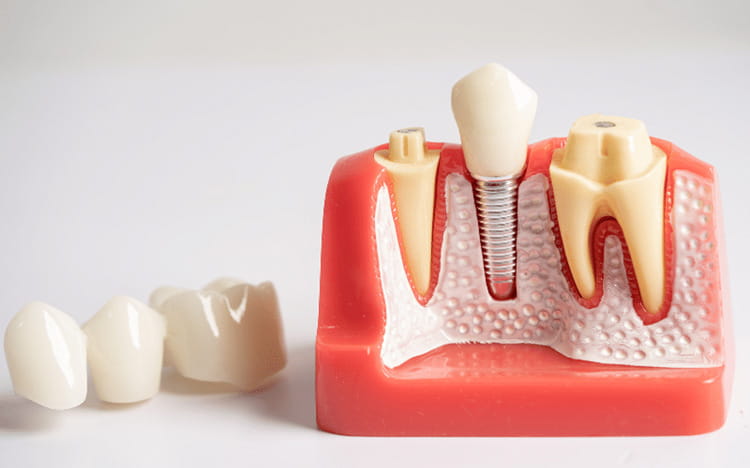
A root canal removes inflamed or infected pulp, cleans the inside of the tooth, and seals the canal system. A dentist may recommend this treatment when the tooth is restorable and preserving it is clinically reasonable.
- Address infection and inflammation: Treatment removes affected pulp tissue and helps control infection within the tooth.
- Preserve a natural tooth: When the tooth is restorable, root canal treatment may avoid immediate tooth extraction.
- Restore function: The tooth can often return to normal use after an appropriate final restoration, such as a filling or crown.
- Support treatment planning: Keeping the tooth may reduce or postpone the need to replace it, although every case is different.
Related guide: Learn what is normal after treatment in our article about root canal treatment side effects.
Root Canal or Extraction: Does CDCP Decide?
No. The treatment recommendation is a clinical decision between the patient and the dental provider. CDCP rules determine whether a proposed service qualifies for coverage; they do not determine which treatment is best for the patient.
An extraction may have a lower initial fee than root canal treatment, but replacing a missing tooth can involve additional treatment such as a partial denture, bridge or dental implant. The appropriate choice depends on the tooth’s condition, prognosis, overall oral health, treatment goals and cost.
CDCP Root Canal Coverage FAQ
Does CDCP cover root canal treatment?
Yes. The CDCP can help pay for eligible root canal treatment when the member has active coverage and the tooth meets the plan’s clinical and restorability criteria. Coverage is not automatic for every tooth or every related service.
Does CDCP cover root canals on molars?
Standard root canal treatment on first and second molars may be covered without preauthorization when CDCP criteria are met. Standard treatment on a third molar requires preauthorization and is considered only in limited situations.
Do CDCP root canals require preauthorization?
Standard root canal treatment on front teeth, bicuspids, and first and second molars normally does not require preauthorization. Root canal re-treatment, apicoectomy, retrofilling and standard root canal treatment on a third molar require preauthorization.
How much will I pay for a root canal under CDCP?
Your cost depends on your adjusted family net income, the CDCP-established fee, the provider’s fee and any services that are not covered. Members below $70,000 have no income-based co-payment, but they may still owe a fee difference or non-covered charges.
Does CDCP cover a crown after root canal treatment?
A crown is assessed separately from the root canal. Crowns, cores and posts require preauthorization and must meet separate CDCP criteria. Root canal approval does not guarantee coverage for the final crown.
Can children receive CDCP root canal coverage?
The CDCP does not have a general minimum age of 18. Children may qualify when all eligibility requirements are met, but the appropriate treatment and specific service rules depend on the tooth and the child’s clinical needs.
Can I pay for a root canal and submit the claim myself?
No. Only participating oral health providers are reimbursed for covered CDCP services. Confirm that the provider can submit the claim and ask for an estimate of any amount you may need to pay.