
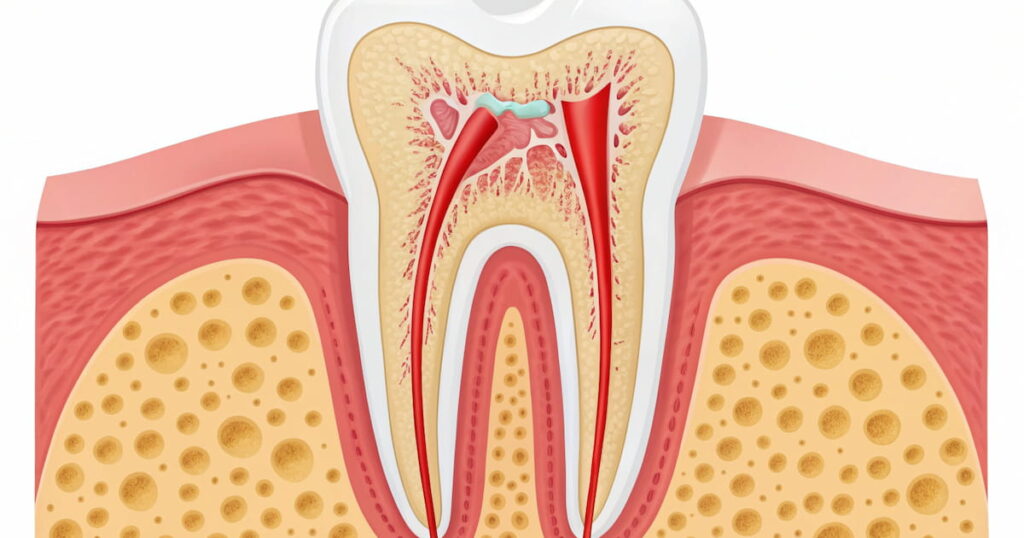
A dental abscess is a pocket of pus caused by a bacterial infection in or around a tooth or the supporting gum tissue. It needs prompt dental assessment because the source of infection usually requires professional treatment. Pain may sometimes decrease if an abscess drains, but that does not mean the infection has been eliminated.
Get urgent help: Contact a dentist promptly for suspected dental abscess symptoms such as throbbing tooth pain, swelling, a bad taste, fever, or a tender bump on the gum. If you have difficulty breathing or swallowing, rapidly increasing mouth/face/neck swelling, or other signs of a serious medical emergency, call 911 or go to the nearest emergency department.
This guide explains how dental abscess treatment works, when antibiotics may be appropriate, when a root canal or extraction may be considered, and what you can safely do while waiting to be seen. For urgent dental concerns in North York, contact Smile Avenue Dentistry’s emergency dental care team to ask about appointment availability.


How Is a Dental Abscess Treated?
Treatment depends on where the infection started, whether the tooth can be restored, whether the abscess has spread, and your overall health. The main goal is to remove or control the source of infection, relieve pressure and pain, and protect the surrounding tissues.
Drainage
When there is a collection of pus that can be drained, a dentist may create an opening to release it and reduce pressure. Drainage can relieve symptoms, but it may need to be combined with treatment of the infected tooth or gum tissue so the source is addressed.
Root Canal Treatment
If the infection is coming from the pulp inside a tooth and the tooth is suitable to save, root canal treatment may be recommended. The infected or damaged pulp is removed, the root canal system is cleaned and sealed, and the tooth is restored afterward. The type of final restoration depends on the tooth, how much structure remains, and the dentist’s assessment; some teeth may need a crown while others may be restored differently.
Tooth Extraction
If the tooth cannot be predictably restored, has a severe fracture, or has a poor prognosis for another reason, tooth extraction may be considered. Removing the tooth removes that source of infection. Replacement options, if needed, are planned separately after the area has been assessed and healed appropriately.
If you are comparing options for an infected tooth, see our guide to root canal treatment vs. tooth extraction. The right choice depends on the tooth’s restorability, periodontal support, symptoms, medical history, and treatment goals.
When Are Antibiotics Used for a Dental Abscess?
Antibiotics are not automatically needed for every localized dental abscess. Canadian Dental Association guidance emphasizes treating the source with procedures such as drainage, root canal treatment, or extraction. Antibiotics may be added when there are systemic complications such as fever, lymph-node involvement or spreading infection, and they may also be considered for some immunocompromised patients based on clinical judgment.
Antibiotics do not replace definitive dental care. Even when they are prescribed, the infected tooth or periodontal source may still need treatment. Do not use leftover antibiotics or another person’s prescription; the appropriate drug, dose and duration depend on the individual situation.
Can a Dental Abscess Go Away on Its Own?
You should not rely on a dental abscess to heal without professional care. An abscess can sometimes drain spontaneously and pain may decrease, but the underlying tooth or gum infection may still be present. Delaying assessment can allow infection or tissue damage to progress.

What Can Happen If a Dental Abscess Is Left Untreated?
An untreated abscess can damage the tissues that support the affected tooth and, in some cases, spread beyond the original site. The exact risk depends on the source, location, severity, immune status and how quickly treatment is obtained.
Spread Beyond the Tooth
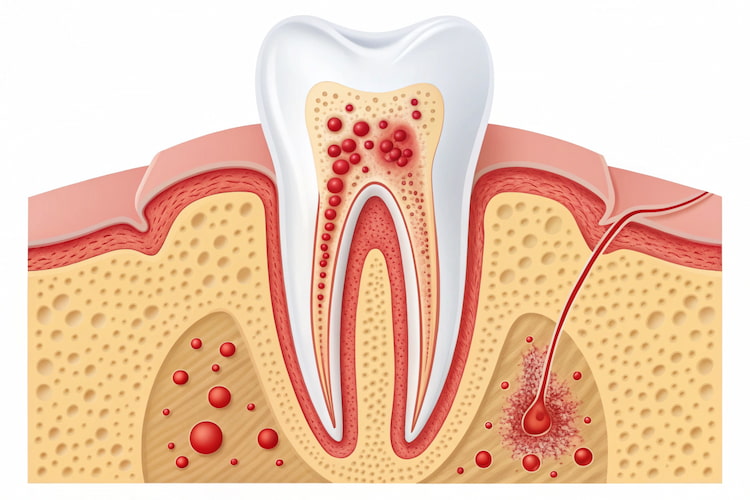
Dental infections can extend into nearby bone and soft tissues. Depending on the tooth and anatomy, swelling may involve the face or neck, and upper-tooth infections can sometimes affect nearby sinus areas. Serious spreading infections require urgent professional assessment.
Bone and Tooth Support
Ongoing infection can contribute to loss of supporting bone around a tooth. In some situations this can worsen the tooth’s prognosis and make future treatment more complex.
Rare but Serious Complications
Severe odontogenic infections can occasionally become medical emergencies, particularly when swelling threatens the airway or infection spreads into deeper tissues. Difficulty breathing or swallowing, rapidly increasing swelling, or severe systemic illness warrants emergency medical care.
For more detail on warning signs, read how to tell if a tooth infection may be spreading.
Dental Abscess Emergency Signs: When to Get Immediate Help
A suspected abscess should be assessed promptly by a dental professional. Some symptoms need a higher level of urgency.
- Call 911 or go to an emergency department if you have difficulty breathing or swallowing, rapidly increasing mouth/face/neck swelling, or another sign of a life-threatening emergency.
- Seek urgent dental or medical assessment for fever or significant facial swelling with a dental infection, spreading swelling, increasing difficulty opening your mouth, or symptoms that are rapidly worsening.
- Contact a dentist promptly for persistent throbbing tooth pain, a tender gum swelling or pimple, pus or a bad taste, pain when biting, or localized swelling around a tooth.

What to Expect at a Dental Abscess Appointment
The dentist will review your symptoms and medical history and examine the tooth, gums and surrounding tissues. Dental X-rays or other diagnostic tests may be used when clinically appropriate to help locate the source and assess the affected structures.
Once the diagnosis is established, the dentist can explain whether drainage, root canal treatment, extraction, periodontal treatment, medication, or a combination of approaches is appropriate. Treatment is individualized; not every abscess is managed in the same way.
What Can You Do While Waiting to See a Dentist?
Home care may reduce discomfort temporarily, but it does not remove the source of a dental abscess.
- Use an over-the-counter pain reliever only if it is safe for you and follow the product label or advice from a pharmacist or health professional.
- Rinse gently with warm salt water to help keep the area clean.
- Use a cold compress on the outside of the face if swelling is present.
- Avoid placing aspirin directly on the tooth or gums because it can irritate or burn oral tissues.
- Do not try to puncture, squeeze or drain an abscess yourself.
- Avoid delaying dental care just because the pain temporarily improves.
For additional short-term guidance, see our dental emergency first-aid guide. Home care is temporary and should not replace diagnosis or treatment.
Dental Abscess Treatment in North York
If you have tooth pain, localized swelling or another possible sign of a dental infection, contact Smile Avenue Dentistry in North York for an assessment. The clinic is located at 325 Sheppard Ave E near Yonge and Sheppard. For urgent concerns, call first to explain your symptoms and confirm the earliest available appointment.
If you develop difficulty breathing or swallowing, rapidly increasing swelling, or another life-threatening symptom, do not wait for a dental appointment; call 911 or go to the nearest emergency department.
Tooth Pain or Swelling in North York?
Contact Smile Avenue Dentistry to ask about urgent appointment availability for a suspected dental infection or abscess. Treatment recommendations depend on an in-person assessment and diagnosis.
Dental Abscess Treatment FAQ
-
What is the fastest way to treat a dental abscess?
There is no single fastest treatment for every abscess. A dentist first identifies the source and may use drainage, root canal treatment, extraction, periodontal treatment or another approach. Antibiotics are not routinely required for every localized abscess and do not replace treatment of the source.
-
Can a dental abscess heal on its own?
Do not rely on a dental abscess to resolve without care. It may drain and temporarily feel better, but the underlying infection can remain. A dental assessment is needed to determine the source and appropriate treatment.
-
Are antibiotics always needed for a tooth abscess?
No. For many localized dental abscesses, treatment of the source is the priority. Antibiotics may be prescribed when there are systemic complications such as fever, lymph-node involvement or spreading infection, or in certain higher-risk patients based on clinical judgment.
-
Is facial swelling from a tooth infection dangerous?
Facial swelling can indicate a spreading infection and should be assessed urgently. If swelling is rapidly increasing or you have difficulty breathing or swallowing, call 911 or go to the nearest emergency department.
-
Will an abscessed tooth always need a root canal?
No. Root canal treatment may be used when the infection originates inside a restorable tooth. Extraction may be considered when the tooth cannot be predictably saved, while gum-related abscesses may require periodontal treatment. The diagnosis determines the approach.
-
What can I do for abscess pain while waiting for a dentist?
Temporary measures may include an over-the-counter pain reliever that is safe for you, warm salt-water rinses and a cold compress outside the face. Do not place aspirin on the gums or try to puncture or drain the abscess yourself.