

Scaling in dentistry is a professional dental cleaning procedure that removes plaque and hardened tartar from your teeth, especially around and below the gumline, where brushing and flossing cannot reach.
Dental scaling is one of the most important preventive treatments in dentistry because it protects both your teeth and gums before serious problems develop. The goal is not just to clean your teeth, but to create a healthier environment in your mouth so your gums can stay firm, pink, and free from infection.
This blog explains what dental scaling in dentistry is, how the procedure works, why it’s important for gum and tooth health, what to expect during and after treatment, and when you may need it as part of your routine dental care.
What Is Dental Scaling In Dentistry?
Dental scaling in dentistry is the process of removing plaque and tartar from the surfaces of your teeth and from just below the gumline. Plaque is a common cause of sticky teeth, and when it hardens into tartar, it cannot be removed with a toothbrush or floss.
Scaling in dentistry allows your dental hygienist or dentist to clean areas that are difficult to reach at home. This helps stop bacteria from irritating your gums and prevents gum disease from developing or worsening. It is a key part of maintaining long-term oral health.
Dental Scaling Defined
Scaling in dentistry focuses on removing hardened buildup from both the visible part of your teeth and the shallow pockets between your teeth and gums. This cleaning creates a smooth surface that makes it harder for bacteria to attach and grow again.
The treatment is safe, routine, and recommended for most patients as part of their regular dental care. For patients with gum disease, scaling may be combined with root planing to clean deeper areas around the tooth roots.
For daily care between cleanings, choosing the right toothpaste can also help maintain results. Learn more in our guide to the best whitening toothpaste.
Scaling vs Regular Cleaning
Many people think scaling in dentistry and regular cleaning are different, but in most routine dental visits, scaling in dentistry is actually part of your cleaning. The difference lies in how deep the cleaning goes.
- Routine cleanings focus on removing plaque and tartar from above the gumline and shallow gum pockets
- Deep cleaning involves scaling and root planing to treat deeper gum infection
Your dentist or hygienist will recommend the appropriate level of care based on your gum health. If gum infections are left untreated, they can spread and cause serious complications. Learn more about how a tooth infection can spread and why early treatment matters.
Benefits of Scaling In Dentistry
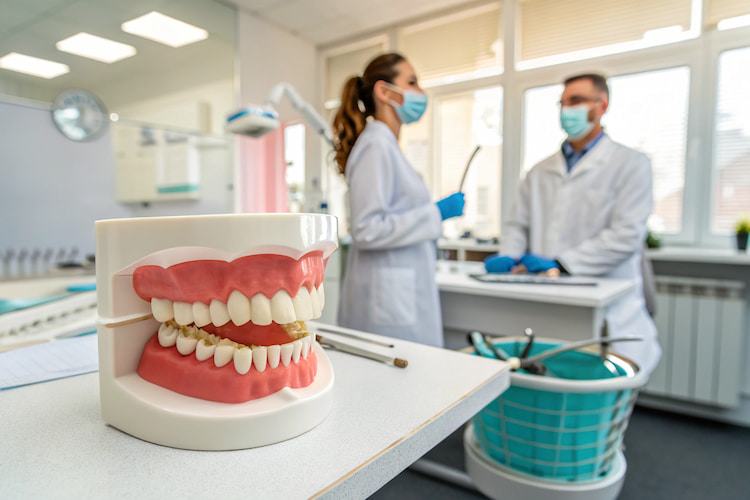
Dental scaling offers both immediate and long-term health benefits. Removing harmful bacteria and buildup, it helps protect your gums and teeth from serious problems.
Some of the most important benefits include:
- Healthier gums with less redness, swelling, and bleeding
- Reduced risk of gum disease, cavities, and tooth loss
Many patients also notice fresher breath and smoother teeth after treatment. Regular scaling plays a major role in maintaining a confident and healthy smile.
Tools and Techniques Used in Scaling
According to the Cleveland Clinic, Modern dental scaling uses advanced tools that make the process efficient, precise, and comfortable for patients. These tools allow clinicians to remove stubborn buildup while minimizing irritation to the gums. Most dental offices use a combination of ultrasonic devices and hand instruments to ensure thorough cleaning.
Ultrasonic Scalers
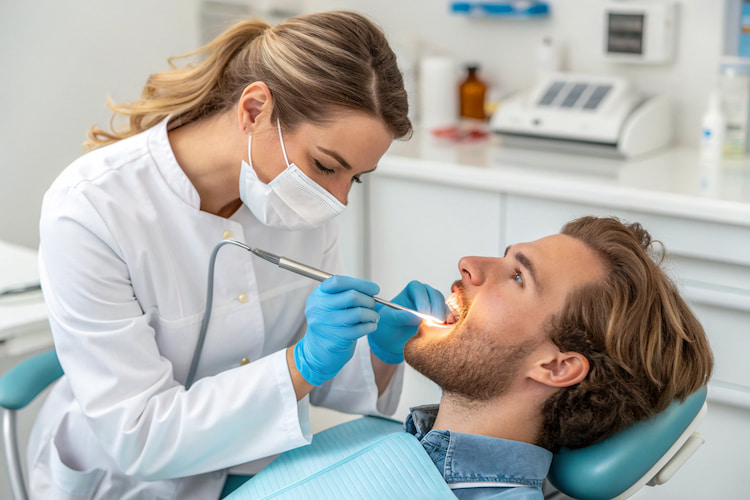
Ultrasonic scalers use gentle vibrations and water spray to break apart plaque and tartar. These tools are especially helpful for removing heavy buildup and reaching difficult areas between teeth.
Patients often describe the sensation as a mild buzzing or tickling feeling. The water spray helps rinse away debris and keeps the area comfortable during treatment.
Hand Scaling Instruments
Hand scalers and curettes are used for precision cleaning, especially in tight spaces around the gumline. These tools allow the hygienist to smooth tooth surfaces and remove any remaining buildup after ultrasonic scaling. Using both techniques together ensures a complete and detailed cleaning for healthier gums and teeth.
If you are preparing for your big day, explore our teeth whitening tips for weddings to help your smile look its best.
What Happens During a Dental Scaling Appointment
A dental scaling appointment typically begins with a gentle examination of your teeth and gums. Your hygienist will check for plaque buildup, gum inflammation, and any areas that need extra attention.
Next, scaling in dentistry is performed using ultrasonic and hand instruments to remove tartar from around the teeth and along the gumline. If needed, root planing may follow to smooth the roots of the teeth and help the gums reattach more securely.
After scaling, your teeth are polished to remove surface stains and leave them smooth and clean. Your appointment usually ends with flossing and fluoride treatment if recommended. Most patients find the process comfortable and feel noticeably cleaner afterward.
For extra protection after your child’s cleaning, many families choose fluoride treatments to strengthen enamel, learn more about fluoride therapy for children and how it helps protect young smiles.

Dental Scaling Aftercare and What to Expect
After dental scaling, it’s normal for your gums to feel tender, slightly swollen, or sensitive to hot and cold for a short time. This happens because plaque and tartar were removed from areas that may have been irritated or inflamed. You may also notice light bleeding when brushing or flossing during the first day or two, which usually improves quickly as your gums heal.
| What You May Notice | What to Do |
|---|---|
| Gum tenderness or soreness | Use a soft toothbrush and avoid aggressive brushing |
| Mild bleeding when brushing or flossing | Continue gentle oral care and rinse with warm salt water |
| Sensitivity to hot or cold foods | Avoid extreme temperatures for the first 24 hours |
| Cleaner, smoother teeth | Maintain results with regular brushing and flossing |
| Lingering discomfort after several days | Contact your dental office for guidance |
If pain, swelling, or bleeding lasts more than a few days, or if something doesn’t feel right, contact a dentist for urgent dental care so they can make sure everything is healing properly.
Protect Your Smile with Professional Dental Care
At Smile Avenue Dentistry, we provide gentle scaling in dentistry tailored to your comfort and oral health needs. Book your visit today and keep your smile healthy for years to come.
Maintain a Healthy Smile with Professional Dental Scaling in North York
While routine brushing and flossing are essential, professional scaling in dentistry ensures plaque and tartar are fully removed, protecting your gums and teeth from disease. Early cleanings, attentive home care, and regular checkups all help keep your mouth healthy, comfortable, and confident.
Along with dental scaling and routine cleanings, we offer preventive exams such as oral cancer screening, dental fillings, teeth whitening treatments, and full smile makeover services, all conveniently available in North York. Whether you are keeping up with your regular dental care or addressing specific concerns, our team is here to provide expert guidance and gentle, reliable treatment.
FAQ
-
Is scaling in dentistry painful?
Most patients feel little to no pain during scaling. You may feel pressure or vibration, but discomfort is usually mild and temporary.
-
How often should I get dental scaling?
Most patients benefit from scaling every six months during routine cleanings, but your dentist may recommend more frequent visits if you have gum disease.
-
Is scaling the same as deep cleaning?
No. Routine scaling cleans above and slightly below the gumline, while deep cleaning includes root planing for deeper gum pockets.
-
Can scaling in dentistry whiten teeth?
Scaling removes surface stains and buildup, making teeth appear cleaner and brighter, but it does not change natural tooth color like whitening treatments.
-
What happens if I skip dental scaling?
Skipping scaling in dentistry allows plaque and tartar to build up, increasing the risk of gum disease, bad breath, cavities, and tooth loss.
Not sure if you need scaling or deep cleaning?
Leave a comment below or contact our team.
We are happy to help you understand your oral health and treatment options.
References & Sources
Cleveland Clinic
Ontario Dental Association
Canadian Dental Association
Royal College of Dental Surgeons of Ontario