Both regular and cosmetic dentistry often use a dental veneer to fix a damaged tooth, improve chewing, and restore a natural-looking smile. Before applying it, the dentist cleans, shapes, and takes impressions of your teeth. This is the process of getting your teeth prepped for veneers. Keep reading, and I’ll break down each step for you.
Teeth Preparation for Veneers: Step by Step
Here are the steps you need to follow to prepare your teeth for dental veneers:
Teeth Examination

The first step is a thorough examination of tooth position and oral health. This allows the dentist to decide if veneers are the best solution for you or what type of veneer you need. You also go through X-rays and digital scans.
Shaping and Reducing Enamel
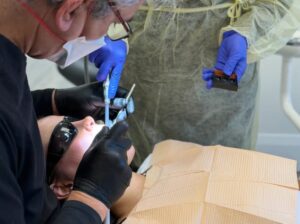
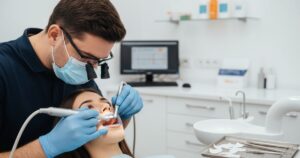
Once you have figured out what types of veneers are best for you, it’s time for the preparation stage. The dentist removes a thin layer of enamel, usually below a millimeter, for veneers. This layer needs to be removed so the veneers can be smoother and more natural, rather than bulky.
Taking Accurate Dental Impressions
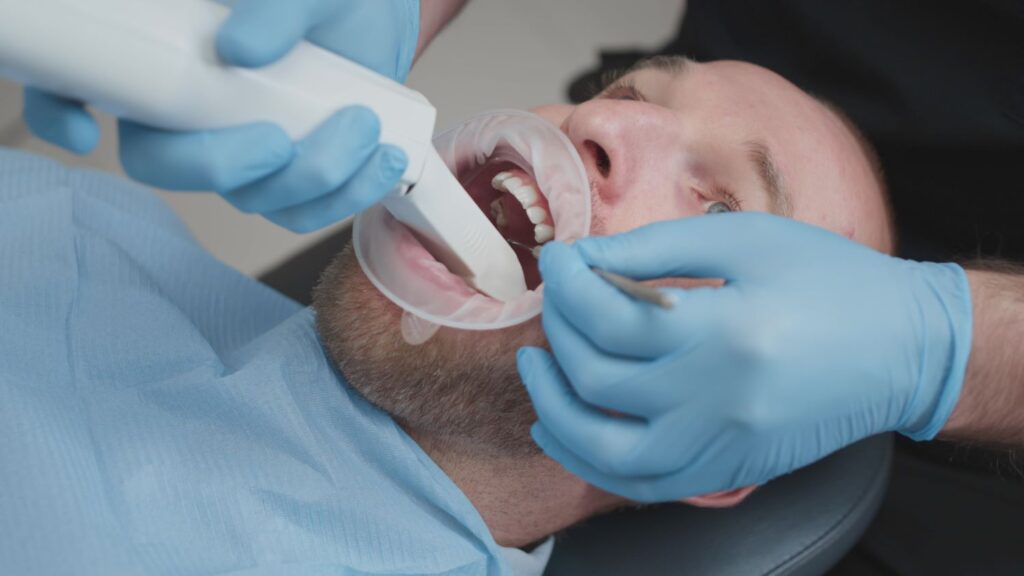
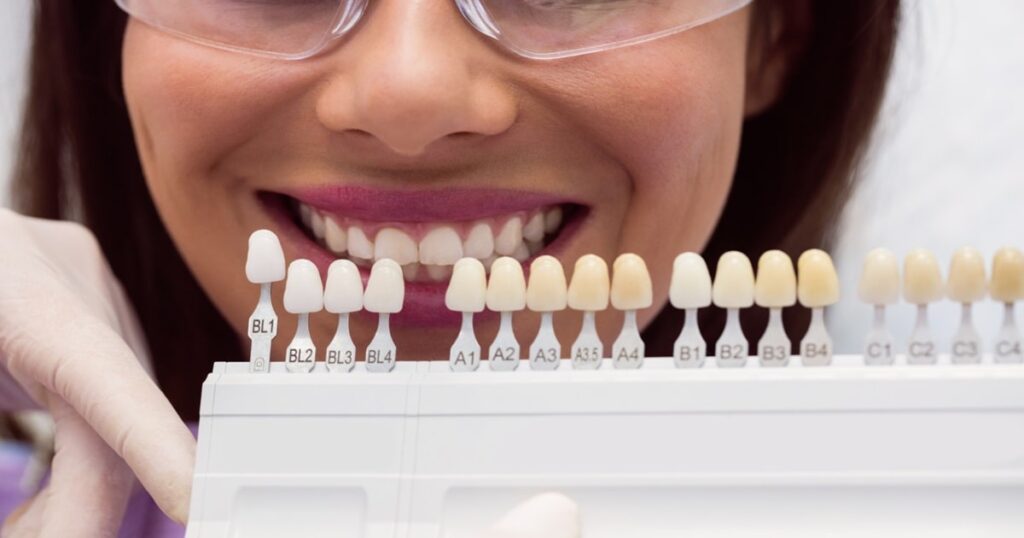
After your teeth are prepared, the dentist takes impressions of your prepared teeth using digital scanning and sends them to a dental lab, where they fabricate your custom veneers, either from porcelain or composite. This is essential; it’s about creating veneers for you that are a good color match against your surrounding teeth.
Read More: Veneers Costs and Pricing Guide 2025
Bonding Process
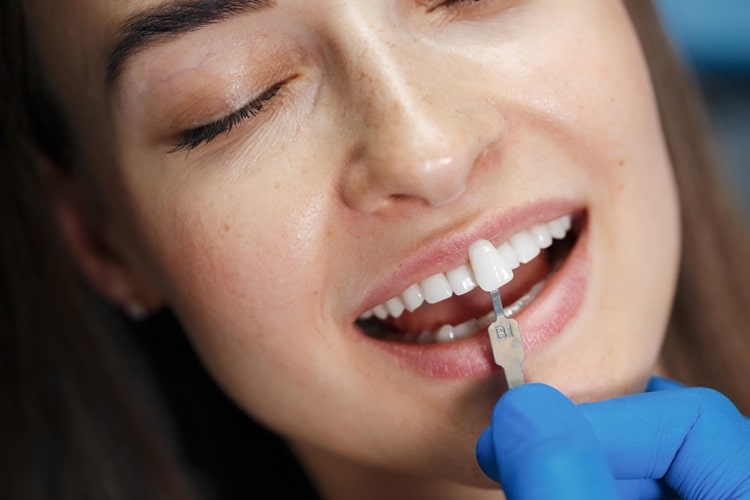
The bonding step is when the dentist fixes the veneers to your teeth. First, a light acid is brushed on the teeth to make them grip better. After that, a special glue goes on the veneers, and the dentist sets them in place. To finish it off, a blue light makes the glue hard and keeps everything firm.
Ready to Transform Your Smile?
At Smile Avenue Dentistry, we specialize in cosmetic dentistry treatments, including dental veneers, to give you the confident smile you deserve.
Temporary Veneers During Treatment
Before the final veneer placement and bonding, you’ll have temporary ones. They’re placed on prepped teeth to protect them from sensitivity, damage, and staining while the permanent veneers are being crafted.
You can see them as a mock-up that helps find any issues with the shape and color, and make necessary adjustments before the final dental crowns are made.
If you’re exploring alternatives, here are some other options for crooked teeth that may be recommended depending on your smile goals.
How to Minimize Discomfort While Teeth Are Prepped
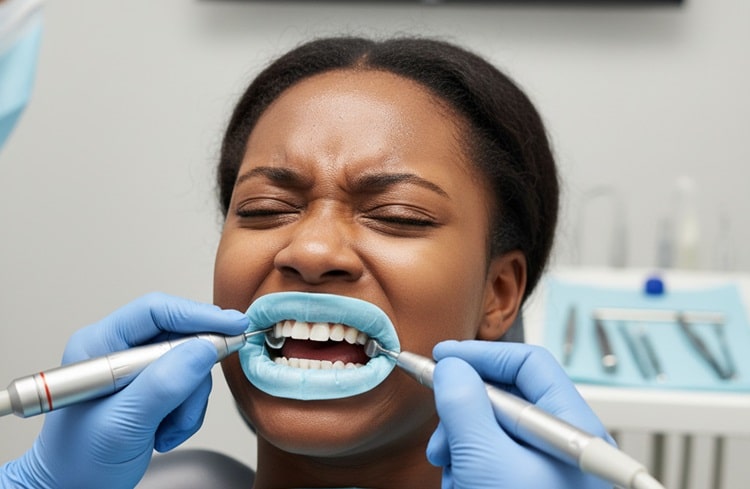
Most dentists use anesthesia to numb the teeth and surrounding gums when getting your teeth prepped for veneers. IV or oral sedation can also help to reduce anxiety and discomfort.
Aftercare Tips Once Teeth Are Prepped for Veneers
Aftercare following teeth preparation for veneers is essential to ensure comfort and protect the teeth. Here are some key aftercare tips:
- Avoid hard, chewy, or sticky foods for at least one day to prevent damage to temporary veneers. Here’s a more detailed explanation of veneers’ forbidden foods.
- Brush gently twice a day with a soft-bristle toothbrush and use toothpaste for sensitive teeth.
- Floss daily to maintain oral hygiene for better bonding.
- Limit stain-causing substances such as coffee, tea, and tobacco so the veneers look consistent in color.
- Avoid using teeth as tools, e.g., cracking nuts, to prevent your veneers from chipping or cracking.
- Report to the dentist immediately if you notice any discomfort, looseness, or any changes to take proper action.
Take Action Today to Transform Your Smile With Veneers
It’s so important to keep your teeth prepped for veneers in cosmetic dentistry. It makes sure the veneers look good, stay strong, and help bring back the patient’s confident smile. In the end, the result depends on both the dentist’s skill and the patient’s readiness for the treatment.
Ready for a brighter, more confident smile? Learn how our expert Cosmetic Dentistry in North York can transform your teeth with veneers and more.
FAQ
Does prepping teeth for veneers hurt?
With local anesthetic, most patients feel pressure or vibration rather than sharp pain while the enamel is reshaped. After the anesthetic wears off, mild sensitivity to hot or cold temperatures is common and usually resolves within a day or two. Your dentist will check that you are comfortable throughout the appointment, and temporary veneers help protect the prepared teeth afterward.
How long does it take to prep teeth for veneers?
The tooth preparation appointment typically takes about 1–2 hours depending on the number of teeth being treated. Most of that time goes into precise enamel reshaping — usually just a few minutes per tooth — plus digital impressions or molds, shade matching, and fitting temporary veneers. After this visit, the dental lab fabricates your custom veneers, and a second appointment is scheduled to bond them in place.
What is the most painful part of veneers?
With proper anesthesia, most people report little to no pain during enamel reshaping — it typically feels like pressure or vibration rather than pain. The most noticeable sensation usually comes afterward, when mild sensitivity to temperature or sweet foods can occur as the teeth adjust. This sensitivity generally fades within a few days, especially once the final veneers are bonded and the temporaries are removed.
What happens to your real teeth before veneers?
A small amount of enamel — usually less than a millimeter — is carefully removed from the front of each tooth to create space so the veneer sits flush and looks natural. Because enamel does not grow back, this is why veneers are considered a permanent treatment. After shaping, the tooth is cleaned, impressions are taken, and temporary veneers are placed to protect the prepared teeth until the final veneers are ready.
Have you ever considered getting veneers or gone through the preparation process yourself? Share your experience or questions in the comments below.