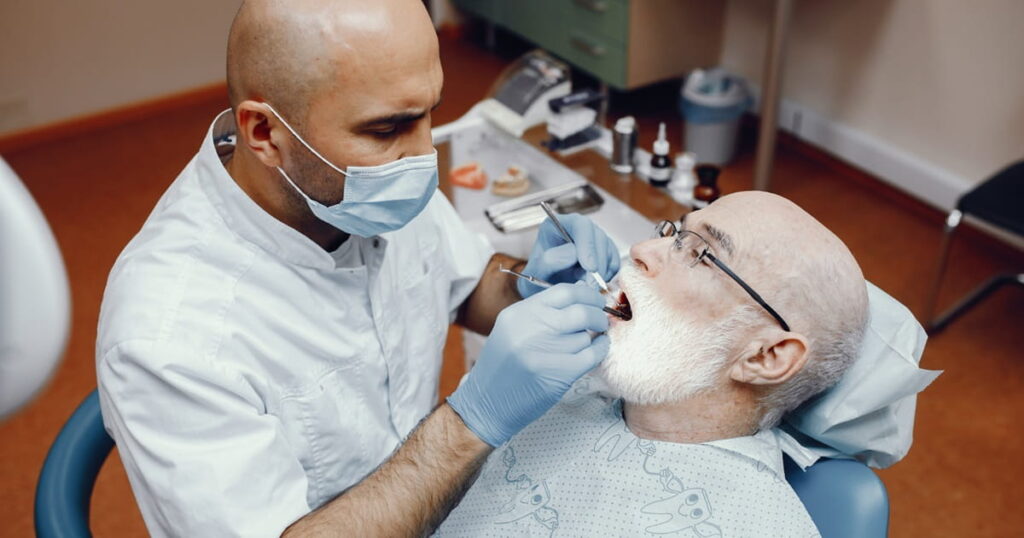
We all know that older adults are more at risk of dental problems, like dry mouth and cavities. Geriatric dentistry is here to make sure the elderly receive the dental care they absolutely deserve, like preventive and restorative services. Seniors can receive treatments from dentures to permanent implants. In this article, we will cover some common oral health issues and restoration options for the elderly.
How Oral Health Is Affected by Age
Some changes gradually happen as we grow older, which increases the need for geriatric dentistry. Cells take more time to renew. Our tissues lose their elasticity and become thinner. Bones become weaker and lose density. Also, because our immune system becomes weaker over time, infections happen more quickly. These can increase the probability of oral health issues.
Oral Health Issues Involving Seniors
Now that we know why oral health issues start to show up as you grow older, let’s explore some common problems that make geriatric dentistry necessary in seniors.
- Dry mouth: When the salivary glands don’t produce enough saliva, it can cause mouth sores, gum disease, and tooth decay.
- Gum problems: Receding gums and gingivitis can provide a great place for bacteria to build up and cause problems.
- Cavities: Bacteria consume sugar and starches, produce acid that attacks tooth enamel, and cause cavities.
- Oral cancer: People older than 50 are more at risk of oral cancer, especially if they smoke and drink alcohol.
Read more: “Top 10 Dental Implant Brands You Should Know in 2026 (North York Guide)”
Common Restorations in Geriatric Dentistry
We already talked about common oral issues making life harder for our dear elderly. Let’s dive into some common restorations in geriatric dentistry that will restore their smiles.
1- Dentures
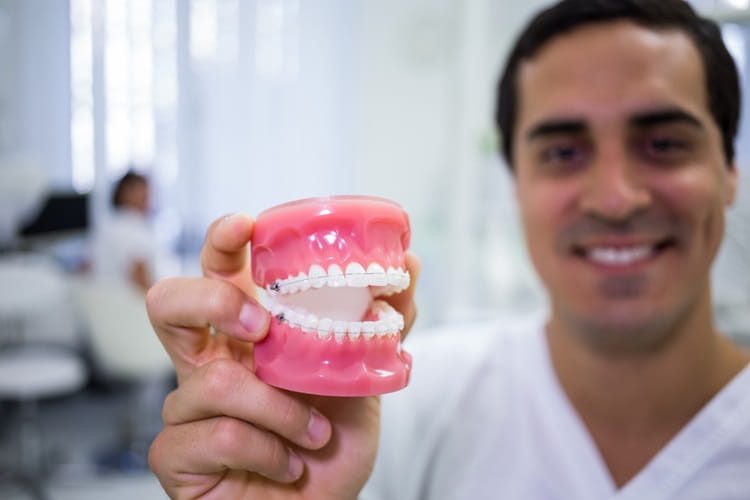
If a senior has lost a significant number of their teeth, dentures can replace them. They are removable fake teeth that the elderly can easily place and clean. Dentures will help seniors chew food, speak clearly, and maintain their facial form. There are also removable partial dentures if a person has lost a couple of their teeth.
Take the Next Step Toward Better Oral Health
Due for a dental checkup or concerned about your oral health? Here at Smile Avenue Dentistry, we provide personalized geriatric dentistry services to help seniors maintain healthy, confident smiles. From preventive care to advanced restorations, we’re here for you every step of the way.
2- Dental Crowns
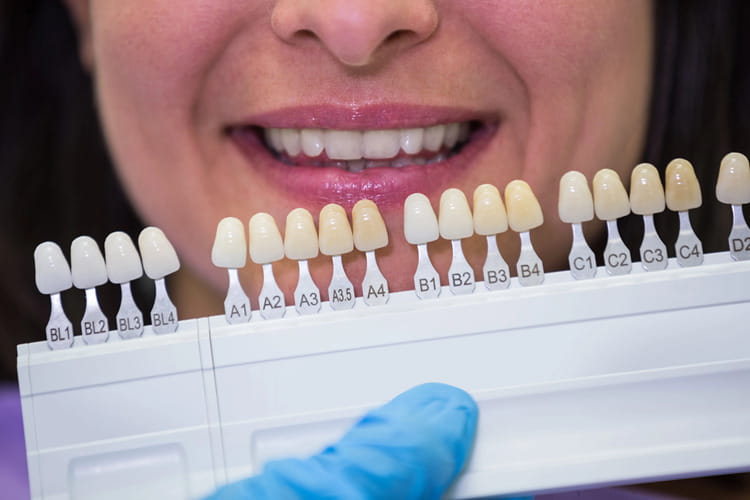
Sometimes a tooth structure is heavily damaged to the point it can’t be saved anymore. In these situations, your dentist will permanently cover your damaged tooth with a cap to restore the tooth’s shape, size, strength, and appearance. There are different types of crowns, such as porcelain, metal, and zirconia crowns.
3- Dental Bridges
Dental bridges (like Maryland bridges) are kind of in the middle between crowns and dentures. As the name suggests, they “bridge” the gap that a missing tooth creates. Crowns are placed on the two adjacent teeth, and an artificial tooth is placed in the middle. Unlike dentures, dental bridges are permanent.
4- Dental Implants
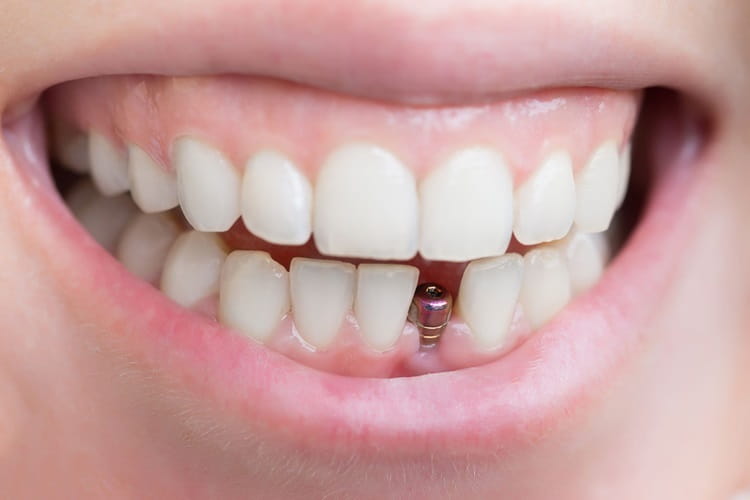
If you’re looking for a permanent restoration solution for missing teeth, dental implants can be a legitimate option in geriatric dentistry. A dentist will surgically insert the implant directly inside the jawbone. They’re more expensive and invasive than other options, but they’re also much more stable and strong.
5- Replacement Fillings
When an old dental filling has been damaged or decayed, a dentist will remove it and replace it with a new filling to restore the function and prevent further decay. There are different types of dental fillings. If you want a natural look, you can go with composite fillings. Meanwhile, there are also gold and metal options that are stronger.
Geriatric Dentistry Prevention Tips
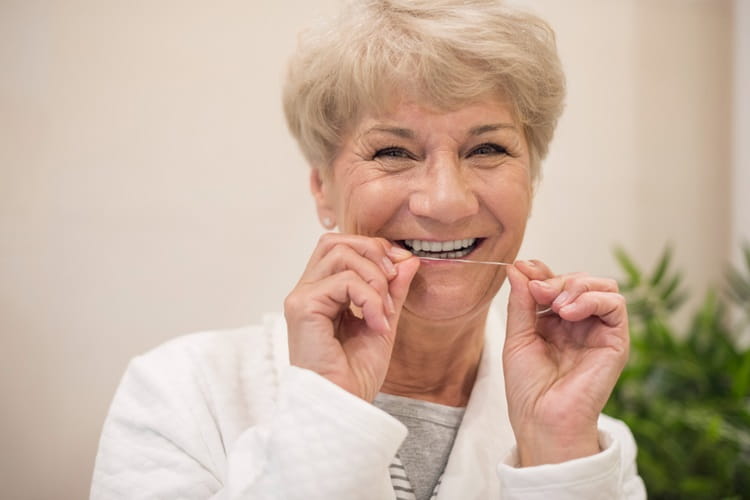
If you prevent dental and oral issues, you will not have to deal with uncomfortable procedures and lose money. Have this list on a piece of paper:
- Don’t smoke! Tobacco can be really harmful to your mouth and teeth.
- Have a balanced diet and eat mostly whole foods to get all the required nutrients.
- Don’t forget daily oral hygiene! Brush twice a day and floss daily.
- Alcohol is your worst enemy, so try to limit it as much as you can.
- Visit your dentist for a check-up at least twice a year.
- Tell the dentist about all the medications you’re taking.
- Avoid sweets and sugary drinks.
Help Your Elderly Have a More Beautiful Smile
Now you know the importance of geriatric dentistry and how it can help the elderly have better oral health overall. If you want to restore your teeth’s function and appearance, we offer high-quality crowns and bridges with personalized treatments. Book an appointment at crowns & bridges North York and start your journey.
FAQ
What is the most common geriatric dental problem?
Dental caries (especially root caries) and periodontal disease are two of the most common dental problems for seniors. You can prevent these problems if you visit the dentist regularly to treat them early on.
What is the most common cause of tooth loss in the elderly?
One of the leading causes of tooth loss in seniors is periodontal disease, but injuries and trauma can also cause missing teeth.
At what age is it too late to start taking care of your teeth?
It’s never too late to start healthy dental care routines. Even if you are an older adult, you can prevent further decay and worse problems. So, the sooner you start, the better.
How often should seniors visit a dentist?
Regular dentist visits are very important for the elderly, so it’s recommended to go for a check-up at least twice a year. Consider visiting more if you have other problems.
Do you have experience with geriatric dentistry or caring for a senior’s oral health? Drop your questions or insights in the comments. We’d love to hear from you!