
A knocked-out tooth, also called an avulsed tooth, is one of the most serious dental emergencies. The good news is that in many cases, a permanent tooth can be saved if the right steps are taken quickly. The most important factor is time. If the tooth is handled properly and treated by a dentist within 30 to 60 minutes, the chances of saving it are much higher.
This guide explains, in clear and simple terms, how to save a knocked-out tooth, what mistakes to avoid, and when to seek emergency dental care.
What To Do Immediately To Save a Knocked-Out Tooth
Acting fast is critical. The goal is to protect the tooth root and get professional dental care as soon as possible. Even if the tooth looks damaged, it may still be saved.
Step 1: Pick Up the Tooth the Right Way
Always hold the tooth by the crown, which is the white chewing part. Do not touch the root. Touching the root can damage the delicate cells that help the tooth reattach to the bone after reimplantation. If you are helping someone else, have them stay calm and avoid swallowing the tooth.
Step 2: Rinse Gently If the Tooth Is Dirty
If there is dirt or debris on the tooth, rinse it gently using a saline solution and cold milk. Do not scrub the tooth, use soap, or dry it with a tissue. Scrubbing can destroy the living root cells that are needed to save a knocked-out tooth.
Step 3: Try to Reinsert the Tooth If You Can
If the person is conscious and cooperative, gently place the tooth back into the socket, making sure it is facing the correct direction. Have them bite gently on clean gauze or a cloth to keep it in place. This step offers the best chance of saving the tooth if done right away.
Step 4: Keep the Knocked-out Tooth Moist If Reinsertion Is Not Possible
If you cannot replace the tooth in the socket, keep it moist until you reach the dentist. Never store the tooth in water and never allow it to dry out. The best options are:
- Cold milk
- Saline solution
- Inside the cheek, if safe to do so
- A Save a Tooth kit, if available
Step 5: See an Emergency Dentist Immediately
Even if you successfully reinsert the tooth, you still need urgent dental care. A dentist must properly stabilize the tooth and assess for damage. Treatment within 30 to 60 minutes offers the best chance of long-term success.
Smile Avenue Dentistry in North York offers emergency dental services, prioritizing patients experiencing trauma, bleeding, or severe pain.
What Happens at the Emergency Dental Visit?
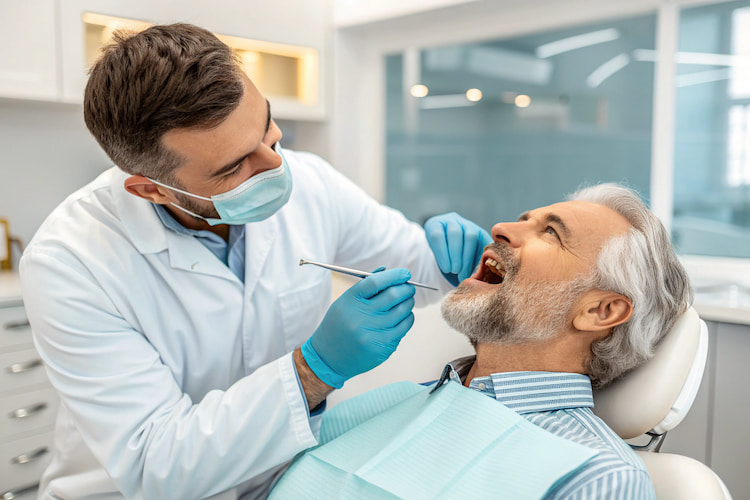
When you arrive at the dental clinic, your dentist will carefully examine your mouth and take digital X-rays to assess the socket, surrounding bone, and the tooth itself.
If the tooth is viable, it will be gently repositioned and stabilized using a temporary splint that allows healing while keeping the tooth in place. You may be prescribed antibiotics to reduce the risk of infection and advised to follow a soft food diet while healing.
In many cases, a root canal treatment is needed in the weeks following reimplantation to protect the tooth from internal infection and improve outcomes.
Jaw pain or clenching after dental trauma may signal deeper issues, so understanding the symptoms and causes of TMJ disorders can help protect your long-term oral health.
How to Restore Your Smile After a Knocked-Out Tooth
Losing a tooth, even temporarily, can affect appearance, chewing, and confidence. Modern dentistry offers solutions to restore both function and aesthetics, ensuring your smile remains healthy and natural-looking.
Dental Crowns and Bridges
If the natural tooth can be reimplanted but is structurally weakened, your dentist may recommend a dental crown to protect and strengthen it. Crowns cover the tooth completely, restore its shape, and improve chewing function while providing a natural appearance.
Dental Implants
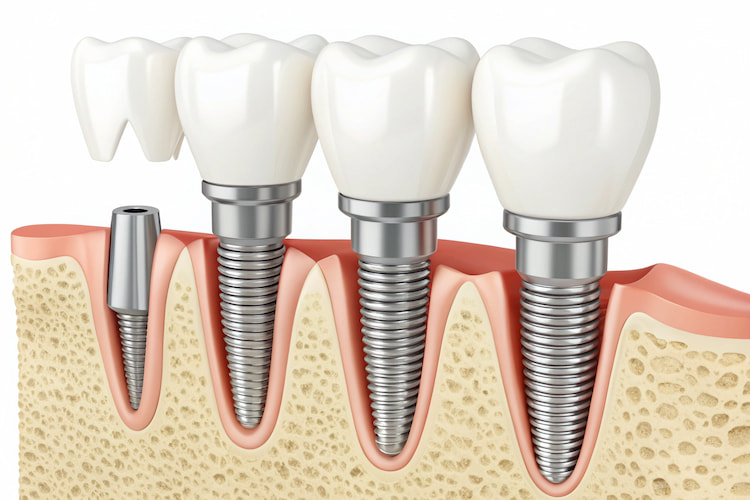
Dental implants are a permanent solution for missing teeth. A titanium post is surgically placed into the jawbone, acting as a stable foundation for a crown. Implants look, feel, and function like natural teeth and help preserve bone and facial structure.
Implants are particularly effective if the knocked-out tooth cannot be reimplanted or fails after initial treatment. For patients considering a permanent solution, learning about the top dental implant brands can help you choose high-quality implants that ensure durability, natural appearance, and long-term success.
Cosmetic Dentistry Options
Even after a tooth is replaced or repaired, cosmetic procedures can enhance the overall appearance of your smile:
- Teeth Whitening: Restore uniform color and brightness if trauma has caused discoloration.
- Dental Veneers: Correct shape, alignment, or color issues on adjacent teeth for a seamless look.
- Dental Bonding: Repair minor chips or cracks from the injury for a natural finish.
These options are often combined with restorative treatments to provide both functionality and a confident, aesthetic smile. If you’re looking to restore both function and appearance after dental trauma, exploring the different types of cosmetic dentistry can help you achieve a natural, confident smile.
Removable Prosthetics and Night Guards
In some cases, a temporary solution such as a removable prosthetic tooth may be used while waiting for permanent treatment. These prosthetics allow patients to eat, speak, and smile normally during the healing period.
Night guards may also be recommended if teeth grinding or clenching contributed to trauma, protecting both restored and natural teeth from further damage.
Why Choose Smile Avenue Dentistry for Dental Emergencies in North York
At Smile Avenue Dentistry, we understand that dental trauma is stressful and painful. Our clinic provides urgent care for your knocked-out tooth and other dental emergencies with a focus on comfort, safety, and evidence-based treatment.
- Same-day emergency appointments
- Priority care for pain, trauma, and bleeding
- Advanced digital imaging and trauma stabilization
- Convenient location near Yonge & Sheppard
- Experienced dental team following established trauma guidelines
Dental Emergency in North York? We’re Here to Help.
Smile Avenue Dentistry offers urgent care for knocked-out teeth, broken teeth, infections, and severe dental pain. Same-day appointments are available, with priority for emergencies.
Can a Knocked-Out Tooth Be Saved?
Yes, in many cases, a permanent tooth can be saved. The outcome depends on several important factors, including how quickly the tooth is treated, how it was handled, and how long it stayed outside the mouth.
According to the Cleveland Clinic, the tooth has the highest chance of survival when it is reinserted within 30 minutes. After one hour of dry time, the likelihood of long-term success drops significantly because the root surface cells begin to die. Prompt dental treatment greatly improves healing and helps prevent tooth infection, bone loss, and long-term complications.
What Happens If a Knocked-Out Tooth Is Not Treated
Without prompt professional care, a knocked-out tooth can lead to serious oral health problems. These may include infection, bone loss, shifting of nearby teeth, difficulty chewing, and the need for future tooth replacement, such as implants or bridges.
Early treatment helps protect your natural tooth and reduces the risk of long-term complications. For urgent dental injuries like a knocked-out tooth, understanding essential first aid tips for dental emergencies can help you act quickly and protect your smile before you reach the dentist.

What If a Baby Tooth Gets Knocked Out?
A baby tooth should not be reinserted. Placing it back into the socket can damage the developing permanent tooth underneath. However, your child should still be seen by a children’s dentist as soon as possible. The dentist will examine the area, check for injury to surrounding teeth or tissues, and provide guidance to support healthy healing.
If your child experiences dental trauma, learning what to expect during kids’ dentist visits can help you feel prepared and confident about their care.
How to Care for Your Teeth to Support Long-Term Oral Health
Good daily oral care plays an important role in protecting your teeth from injury, infection, and long-term damage. Brushing twice a day with fluoride toothpaste, flossing daily, and attending regular dental checkups help keep your teeth strong and your gums healthy.
| What to Do | Why It Helps |
|---|---|
| Brush twice a day with fluoride toothpaste | Keeps teeth strong and prevents cavities |
| Floss once a day | Cleans between teeth where brushing cannot reach |
| Visit the dentist regularly | Finds problems early and keeps gums healthy |
| Wear a mouthguard during sports | Lowers the risk of knocked out or broken teeth |
| Avoid chewing hard objects | Prevents cracks and damage |
| Use a night guard if you grind your teeth | Protects teeth from pressure and wear |
| Drink water and eat balanced meals | Supports strong teeth and healthy gums |
| See a dentist quickly if you feel pain | Prevents small issues from becoming serious problems |
Medically reviewed by Dr. Firouzeh Zolfagharirad, with over 15 years of combined clinical and academic experience. Dr. Zolfagharirad is a member of the Royal College of Dental Surgeons of Ontario (RCDSO), Canadian Dental Association (CDA), and Ontario Dental Association (ODA). She provides comprehensive restorative and endodontic care with a strong focus on precision and patient comfort.
Save a Knocked-Out Tooth and Protect Your Long-Term Oral Health
While a knocked-out tooth can feel alarming, quick action and proper professional care can often prevent permanent tooth loss. Seeking immediate dental evaluation, handling the tooth correctly, and following your dentist’s instructions carefully all play an essential role in improving the chances of successful reimplantation and long term stability.
Along with emergency care for knocked-out teeth, Smile Avenue Dentistry provides dental implants, cosmetic dentistry such as teeth whitening, TMJ treatments, and preventive dental care in North York near Yonge and Sheppard. If you or your child experiences dental trauma, severe pain, or sudden injury, our team is ready to provide urgent care and clear guidance to protect your smile.
It is important to remember that the information provided here is for educational purposes only and does not replace an in-person dental examination. Every dental injury is different, and a licensed dentist must assess the condition of the tooth, surrounding tissues, and bone to determine the safest and most effective treatment plan.
FAQ
-
How long can a knocked-out tooth survive outside the mouth?
A tooth has the best chance of survival if treated within 30 minutes. After 60 minutes of dry time, the likelihood of saving the tooth decreases significantly.
-
Should I put a knocked-out tooth in milk?
Yes. Cold milk is one of the safest and most effective temporary storage options for an avulsed tooth until you reach a dentist.
-
Can a dentist really put a knocked-out tooth back in?
Yes. Dentists can often reimplant a knocked-out permanent tooth if it is handled properly and treated quickly.
-
What should I do if my tooth breaks instead of falling out?
Rinse your mouth with warm water, apply a cold compress for swelling, and contact a dentist immediately. Broken teeth can often be repaired if treated promptly.
-
Is a knocked-out tooth always an emergency?
Yes. A knocked-out tooth requires immediate professional dental care to give it the best chance of survival.
Have you or someone in your family experienced a knocked-out tooth?
Share your experience or ask a question below.