
If you had planned on getting dental implants, but you were told that your jaw is too thin or is not dense enough, you’re not alone. Many people face the same challenge, but the good news is that at Smile Avenue Dentistry, our bone grafting in North York is the solution. Using a special technique, we rebuild your natural foundation and prepare your jaw for excellent implants. Schedule your consultation today and let us help you achieve a strong jaw and a confident, lasting smile.

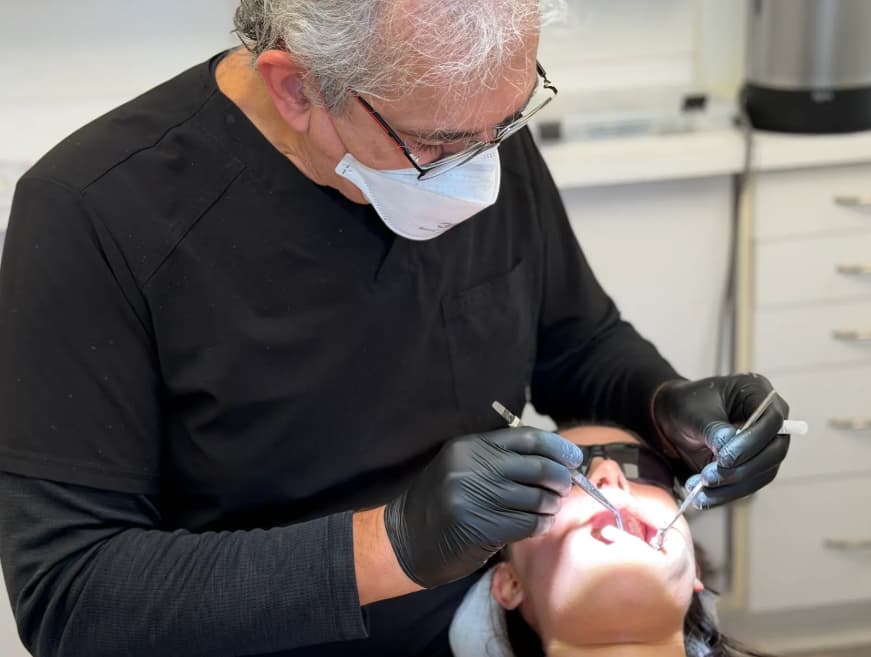
Bone Graft is a technique to add volume and density to your jaw in areas where the bone has been damaged and broken down over time. We take a small amount of bone material and place it exactly where you need more support. Your body gradually works with this material to grow new, living bones. This process creates a solid base that can hold a dental implant just as firmly as a natural tooth root.
For urgent dental care, please call (416) 250-5354. Appointment requests are subject to availability.
We use different types of bone grafts depending on your specific needs and physical condition:
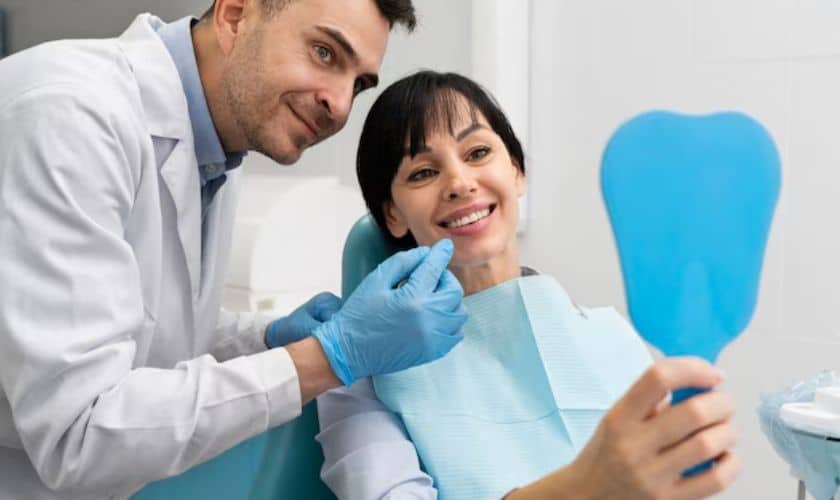
The type of procedure you need depends on the exact location of your bone loss:
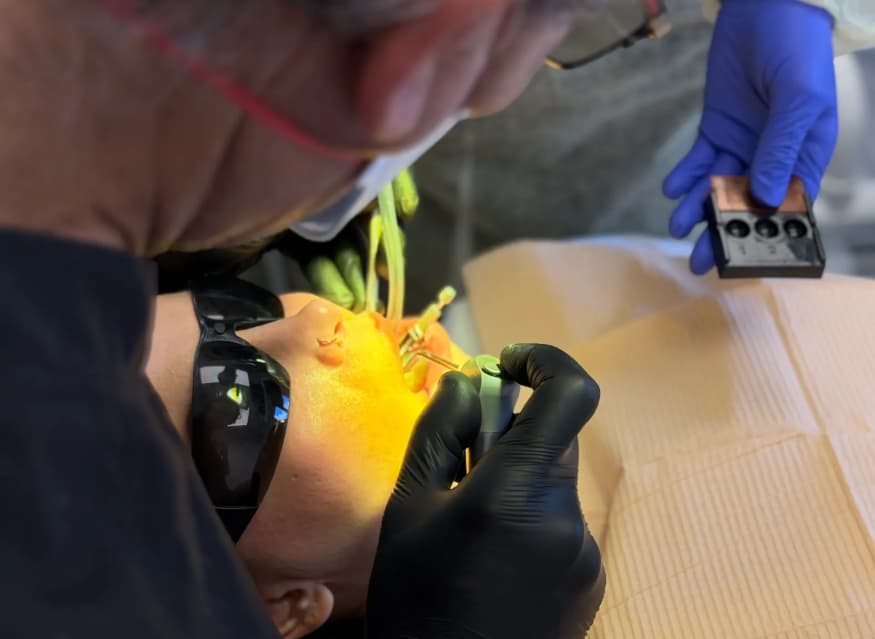
At Smile Avenue Dentistry, we try to make the experience as comfortable and straightforward as possible. The total procedure includes the following steps:

You might be an ideal candidate for this procedure if:
At Smile Avenue Dentistry, we focus on science and beauty at the same time to give you the smile you wish, regardless of your bone density. If you are ready to see if bone grafting in North York is the right path for you, give our team a call at 416-250-5354. We will take a look, explain your options clearly, and help you get started.
References: Ontario Dental Association · Canadian Dental Association · RCDSO
Dental bone grafting is a procedure that adds volume and density to areas of the jawbone that have thinned or broken down, often after tooth loss. Implants need a strong, stable foundation to stay secure, so when there is not enough healthy bone, grafting rebuilds the area first. Your body gradually integrates the graft material and grows new living bone, creating a solid base that can support a dental implant.
Graft material can come from several sources. An autograft uses a small amount of bone from your own body, usually from another part of the jaw. An allograft is donated human bone that has been carefully processed in a lab to be safe and sterile. A xenograft comes from an animal source, such as a cow, and an alloplastic graft is a synthetic material, often containing minerals like calcium, that mimics natural bone. Your dentist will recommend the option that best suits your needs and physical condition.
Healing time varies from person to person and depends on the size and location of the graft. In many cases, the graft needs several months to fully integrate with your natural bone before an implant can be placed. Your dentist will monitor your progress with follow-up visits and let you know when the area is ready for the next step.
Most patients experience some swelling, mild soreness, and minor bleeding in the first few days, which usually eases as the week goes on. You will receive detailed aftercare instructions, such as eating soft foods, keeping the area clean, and avoiding strenuous activity. If you have dental anxiety, let our team know so we can help you stay comfortable throughout your recovery.
Whether bone grafting is covered under the Canadian Dental Care Plan (CDCP) depends on your eligibility and your individual treatment plan. Coverage is confirmed at your assessment, when our team reviews your needs and explains your options clearly before any treatment is planned.
Smile Avenue Dentistry