

Dental emergencies rarely happen at a convenient time. You may wake up with severe pain. A child may fall and break a tooth. An infection may cause swelling in your face. In these moments, one question comes up quickly: Will dental insurance cover this?
In Canada, dental insurance for emergency care is available through two main options. The first is the new federal Canadian Dental Care Plan for residents without private insurance and with household incomes under $90,000. The second is private dental insurance through an employer or individual plan.
Coverage depends on your situation. Some people may pay nothing upfront. Others may pay a portion of the cost. Understanding your options before an emergency happens can reduce stress and save money.


At Smile Avenue Dentistry in North York near Yonge and Sheppard, emergency patients with severe pain, swelling, trauma, or bleeding are prioritized for same-day emergency care in Canada whenever possible.
What Is a Dental Emergency?
A dental emergency is a problem that needs urgent care to stop pain, control bleeding, prevent infection, or save a tooth. It is not routine cleaning or cosmetic treatment. It is a situation that cannot safely wait.

Severe Tooth Pain
Severe, constant pain may mean the nerve is affected or an infection is developing. If swelling appears in the gums, cheek, or jaw, treatment should not be delayed.
Abscess or Infection
An abscess can cause swelling, fever, and intense discomfort. Infections can spread if untreated. Emergency treatment may include drainage, antibiotics, or extraction. If you’re experiencing swelling or severe pain after a tooth removal, learn more about the signs and treatment options for a tooth extraction infection here.
Broken or Knocked Out Tooth
A cracked or knocked-out permanent tooth requires immediate attention. Fast care improves the chance of saving the tooth.
Bleeding or Trauma
Heavy bleeding after injury or surgery is urgent. Facial trauma or a broken jaw requires hospital care. If leaving the condition untreated risks serious harm, it qualifies as an emergency.
If your child is experiencing tooth pain or other urgent symptoms, explore common dental problems in children and how early care can prevent emergencies.
The Canadian Dental Care Plan
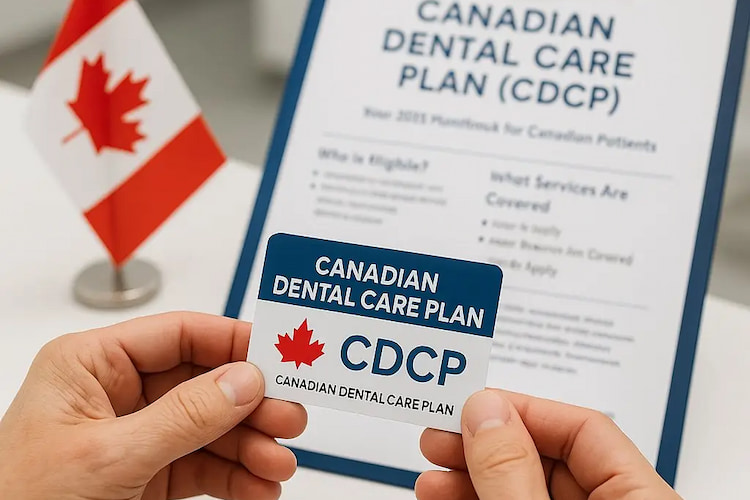
The Canadian Dental Care Plan, known as the CDCP, is the main public option for emergency care in Canada. It was introduced to improve access to oral health care for uninsured Canadians.
Who Is Eligible
You may qualify if:
• You are a Canadian resident
• You do not have private dental insurance
• Your adjusted family net income is under $90,000
• You have filed your tax return
There are no co-payments for households under $70,000. Co-payments apply for incomes between $70,000 and $89,999. To find out whether you qualify for financial support under the Canadian Dental Care Plan, learn more about CDCP eligibility in 2026, requirements, and coverage details.
What the CDCP Covers
The plan covers essential emergency services such as:
• Exams and X-rays
• Dental Fillings
• Root canals
• Tooth Extractions
• Pain and infection treatment
Eligible and registered patients often do not need to pay upfront at participating clinics. Most dentists accept the CDCP through Sun Life’s provider system.
How to Access Emergency Care in Canada
Patients must register and be approved before using the plan. Once approved, you can search for a participating dentist and book treatment. Always confirm that the clinic accepts the CDCP before your visit. For seniors looking to understand their options for emergency dental care and other oral health benefits in Canada, check out our guide to the senior dental plan.
Private Dental Insurance
If you do not qualify for the CDCP, private insurance is the other main option. Many Canadians receive dental coverage through their employer. Others purchase individual plans.
What Private Plans Cover
Most private plans cover a percentage of emergency costs. This often ranges between 50 and 80 percent, depending on the plan. Here’s a simple table showing average emergency dental costs in Canada (without insurance). These figures are approximate ranges gathered from multiple Canadian sources to help patients understand what services might cost before insurance reimbursement:
| Emergency Dental Procedure | Typical Cost Range (CAD) | Notes |
|---|---|---|
| Emergency Exam & X-rays | $100 – $250 | Initial exam fee before treatment |
| Dental Filling (repair) | $150 – $500 | Depends on the material and severity |
| Tooth Extraction (simple) | $150 – $500 | May vary with complexity |
| Root Canal (per tooth) | $700 – $1,500+ | Higher for molars or complicated cases |
| Abscess / Infection Treatment | $150 – $400+ | Includes drainage & medication |
Tip for patients: Private insurance plans usually cover a portion of these costs, often 50–80 %, depending on your policy. Government plans like the Canadian Dental Care Plan (CDCP) can cover these fully or partially for eligible residents with income limits and fewer out-of-pocket fees.
Waiting Periods
Some plans have waiting periods for major procedures. Others offer guaranteed acceptance without medical questions. Examples include certain Flexcare or FollowMe plans. Always review your annual maximum. Emergency expenses count toward that limit.
Major Insurance Providers
Large providers in Canada include Manulife, TD Insurance, Sun Life, and other companies that bundle dental with health coverage.
Provincial and Other Programs
In some cases, provinces cover emergency dental services when performed in a hospital. This usually applies to severe trauma, jaw fractures, or life-threatening infections. Federal employees may receive coverage under the Public Service Dental Care Plan.
However, most routine dental emergencies treated in a private dental office are not covered by provincial health plans. For patients relying on provincial support, learn how ODSP dental coverage can help cover emergency dental care and essential treatments.
How Smile Avenue Dentistry Handles Dental Emergencies
When a dental emergency happens, quick action is important. At Smile Avenue Dentistry, Dr. Firouzeh Zolfagharirad has over 15 years of experience helping patients with urgent dental problems. She is a member of the Royal College of Dental Surgeons of Ontario, the Canadian Dental Association, and the Ontario Dental Association.
Same-Day Emergency Appointments
We try to see patients the same day if they have severe pain or injury. Getting emergency care in Canada quickly often helps the tooth and can lower overall costs.
After-Hours Support
If your emergency happens outside office hours, we give clear instructions on what to do next. For serious swelling, trouble breathing, or major injuries, we direct you to the hospital.
Need Help With Your Emergency Dental Coverage?
Smile Avenue Dentistry will review your coverage, explain your costs, and prepare any insurance documents before treatment. Call us today to get started.
Get Fast and Reliable Dental Insurance for Emergency Care in Canada
Understanding how dental insurance for emergency care works in Canada helps you make smart choices and avoid unexpected costs. Acting quickly, contacting your dentist, and knowing your coverage, whether through the CDCP or private insurance, ensures your emergency treatment is handled smoothly.
At Smile Avenue Dentistry in North York near Yonge and Sheppard, we provide fast, professional care for toothaches, infections, broken or knocked-out teeth, abscesses, and other urgent dental problems. We also offer services like root canal treatments, dental crowns, and dental implants. Our team guides you at every step so you can focus on your health and comfort.
It is important to remember that emergency dental situations are unique, and a licensed dentist must assess your teeth, gums, and overall oral health to provide safe and effective treatment. Coverage details may vary by plan, and you should confirm your benefits with your dentist or insurance provider before treatment.
FAQ
-
Does the CDCP cover emergency dental care?
Yes. The CDCP covers essential urgent services such as pain control, infection treatment, fillings, root canals, and extractions for eligible patients.
-
Do I have to pay upfront with the CDCP?
Many approved patients do not need to pay upfront. Co-payments apply if your household income is between $70,000 and $89,999.
-
Are all dental emergencies covered by private insurance?
Most comprehensive plans cover emergency care, but the percentage paid depends on your policy. Always check your details.
-
Should I go to a hospital for tooth pain?
Go to a hospital only if there is severe swelling, trauma, a broken jaw, or life-threatening symptoms. Most dental emergencies are best treated by a dentist.
Do you have questions about dental insurance coverage for urgent care?
Our team at Smile Avenue Dentistry is happy to respond and guide you.