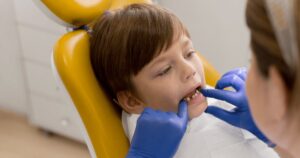


Teething is one of the first big milestones in your baby’s life, and it can come with just as many questions as it does drool. As those tiny teeth begin to push through the gums, you might notice some common symptoms like drooling, fussiness, swollen gums, and a strong urge to chew on anything nearby. Some parents turn to pediatric dental services during this stage for guidance and reassurance, especially if symptoms seem intense or unusual. In this guide, we’ll walk you through when teething usually begins, the typical signs to watch for, and how you can help soothe your little one through the process.
When Do Babies Start Teething?
Most babies start teething around 6 months old, though it can happen a little earlier or later. Every baby is different, and so is their teething timeline. While some newborns might surprise you with a tooth at birth (yes, it happens!), most follow a more typical schedule.
Typical Teething Timeline for Babies
Although teething begins around 6 months of age generally, it can start as early as 3 months or as late as 12 months for some babies. And guess what? Both ends of that range are perfectly normal. Most children will have their full set of 20 baby teeth (also called primary teeth) by the age of 2 to 3 years.
Here’s a quick look at the general order and timing of baby teeth:
| Tooth Type | Age Range |
|---|---|
| Bottom central incisors | 6–10 months |
| Top central incisors | 8–12 months |
| Top lateral incisors | 9–13 months |
| Bottom lateral incisors | 10–16 months |
| First molars | 13–19 months |
| Canines (cuspids) | 16–22 months |
| Second molars | 23–33 months |

Common Signs of Teething in Babies
So how do you know if those little tiny pearlies are on their way? Teething can look different from baby to baby, but there are a few tell-tale clues to watch for.
Physical Symptoms
You might notice some very clear physical signs that your baby’s gums are working overtime:
- Drooling…a lot!
One of the earliest signs of teething is excessive drooling. You might find yourself constantly wiping their chin or changing soaked bibs. - Red, swollen gums
Take a look inside your baby’s mouth (if they let you!). You might notice that the gums look puffy or reddish where a tooth is about to break through. - Chewing everything
Babies love to put things in their mouth anyway, but teething kicks this up a notch. If your baby is gnawing on fingers, toys, blankets, or even your shoulder, it’s likely to ease the gum discomfort. - Mild rash around the mouth or chin
All that drool can cause a rash. Keep the area clean and dry, and consider applying a baby-safe balm. - Slight fever
Some babies run a low-grade fever (under 100.4°F or 38°C) when teething, though this is a bit controversial among doctors. High fevers are not typical for teething and should be checked by a pediatrician. - Ear pulling or cheek rubbing
The pain from teething can radiate, especially from the back molars. Babies might tug their ears or rub their cheeks because they don’t yet know how to localize the discomfort.
Behavioral Changes
Along with the physical changes, your little one’s mood might take a dip:
- Irritability and fussiness
Gums hurt. Your baby might cry more often or seem extra clingy. It’s not you, it’s the teething! - Sleep disturbances
If your once-great sleeper suddenly starts waking up more at night, teething could be the culprit. Gum pain can be more noticeable when lying down. - Decreased appetite
Some babies avoid nursing or eating solid food because it hurts to suck or chew. Try offering cold, soft foods and keep an eye on hydration. - Soothing through biting or sucking
Some babies want to nurse constantly, not out of hunger, but because the sucking motion soothes their gums.
According to the Canadian Dental Association (CDA), the optimal time for your baby’s first dental visit is within six months after the eruption of their first tooth, or by their first birthday, whichever comes first. This early visit allows for early detection and prevention of common dental issues in children.
Related: How to prepare your child for your first trip to the dentist
Book your little one’s first dental checkup now
Keep your baby’s smile healthy from the very first tooth. At Smile Avenue Dentistry, our gentle pediatric experts make teething and dental care easy and comfortable for your little one. Book a checkup today and give your child the best start to lifelong oral health!

Summary
Teething is a normal part of your baby’s development. It can be a tough phase filled with drool, crankiness, and sleep loss, but it’s also a sign that your baby is growing up. To ease their discomfort, try offering cool teethers, gently massaging their gums, serving chilled foods, and, of course, providing lots of love and comfort.
If you’re worried about teething troubles or your child’s dental health, Smile Avenue Dentistry is here to offer caring, kid-friendly dental visits that keep tiny teeth strong and pain-free. Schedule your baby’s very first dental visit today!
FAQs
What are the earliest signs of teething?
The earliest signs often include lots of drooling, gnawing on hands or toys, red or swollen gums, and general fussiness. Some babies may also have trouble sleeping or lose interest in feeding. Every baby is different, but these early clues usually mean teeth are on the way!
What are the four stages of teething?
Teething generally follows four stages: gum swelling and drooling, tooth movement beneath the surface, tooth eruption through the gum, and gum hardening around the new tooth. These stages can vary in timing and intensity, but they all lead to adorable little teeth showing up!
What months do teething pain start?
Teething pain typically begins around 4 to 7 months, but it’s not the same for every baby. Some might start earlier, while others don’t feel discomfort until closer to 9 or 10 months. You’ll likely notice changes like fussiness or chewing once the teething discomfort kicks in.
Is it normal for babies to start teething as early as 4 months?
Yes, totally normal! While 6 months is average, many babies start teething as early as 3 or 4 months. Some are even born with teeth (rare, but it happens!). So if your 4-month-old is drooling and chewing more, teething could definitely be the reason.