
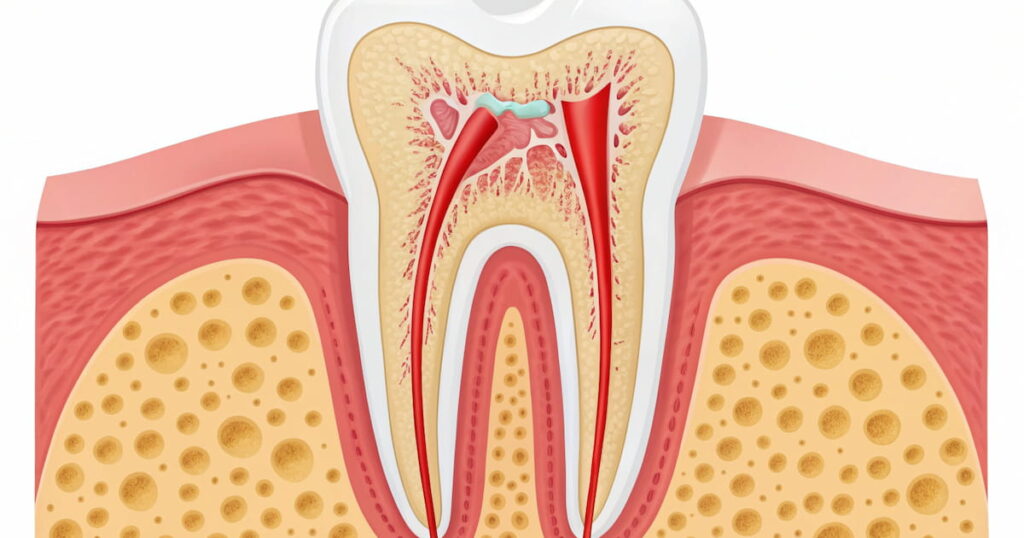
A dental abscess is a serious bacterial infection that forms when bacteria enter the tooth or gums, creating a pocket of pus. Dental abscess treatment is essential to stop a tooth infection, relieve pain, and prevent long-term complications. This condition does not heal on its own and can worsen quickly, spreading to surrounding tissues, bone, and even other parts of the body.
This article explains when a tooth infection becomes an emergency, what happens during professional dental abscess treatment, and how early care can help protect your tooth and overall health.
How Is a Dental Abscess Treated?
Dental abscess treatment focuses on eliminating the infection, relieving pain, and preventing recurrence. The specific treatment depends on the abscess type, severity, and condition of the affected tooth.
A dental abscess is considered a medical dental emergency because it can progress rapidly and spread beyond the mouth if not treated properly. Even if pain decreases temporarily, the infection often remains active and continues to damage surrounding structures.
Drainage of the Infection
The dentist may create a small opening in the abscess to drain the pus and reduce pressure. This helps relieve pain and swelling and allows the tissue to begin healing. Drainage is often combined with other dental abscess treatments to remove the infection source.
Root Canal Therapy
If the tooth structure can be preserved, root canal treatment is usually the recommended dental abscess treatment. During this procedure, the infected pulp is removed, the inside of the tooth is cleaned and disinfected, and the space is sealed to prevent future infection. A dental crown is often placed afterward to restore strength and function.
Tooth Extraction
If the tooth is severely damaged, cracked below the gumline, or cannot be restored, tooth extraction may be another dental abscess treatment. Removing the tooth eliminates the infection source and allows the surrounding tissues to heal properly. Replacement options such as implants or bridges can later restore function and appearance.
If you’re unsure whether saving or removing the tooth is the best option for dental abscess treatment, this guide on tooth extraction vs root canal can help you understand your treatment choices.
Antibiotic Therapy
Antibiotics may be prescribed when the infection has spread, there is facial swelling, fever, or compromised immunity. While antibiotics help control bacterial spread, they do not eliminate the abscess itself and must be combined with other dental abscess treatments.
Pain and Swelling Management
Dentists use clinically approved pain control techniques during dental abscess treatment, including local anesthesia and appropriate medications when necessary. Swelling management may include drainage, cold therapy recommendations, and monitoring for improvement after treatment.

Why Dental Abscesses Cannot Heal Without Professional Dental Abscess Treatment
A dental abscess is a sealed bacterial infection that cannot drain or resolve on its own. Even if pain decreases temporarily, bacteria often remain active inside the tooth or gums and continue to damage surrounding tissues.
Why Antibiotics Alone Are Not Enough
Antibiotics reduce bacterial load in surrounding tissues but do not remove infected pulp tissue or drain pus from the abscess. Without removing the source of infection through dental procedures, the abscess typically returns or worsens.
Risks of Delayed Care
Delaying dental abscess treatment increases the risk of dental infection spreading into the jawbone, sinuses, neck, or bloodstream. This can lead to severe pain, bone loss, tooth loss, hospitalization, and, in rare cases, life-threatening complications. Prompt dental abscess treatment significantly reduces these risks.
If you’re dealing with sudden dental pain or swelling, these first aid tips for dental emergencies explain what to do safely until you can see a dentist.
What Happens If a Dental Abscess Is Left Untreated?
An untreated dental abscess can cause progressive damage and serious systemic health risks. The infection may expand beyond the tooth into surrounding structures.
Spread to the jaw, Sinuses, or Bloodstream
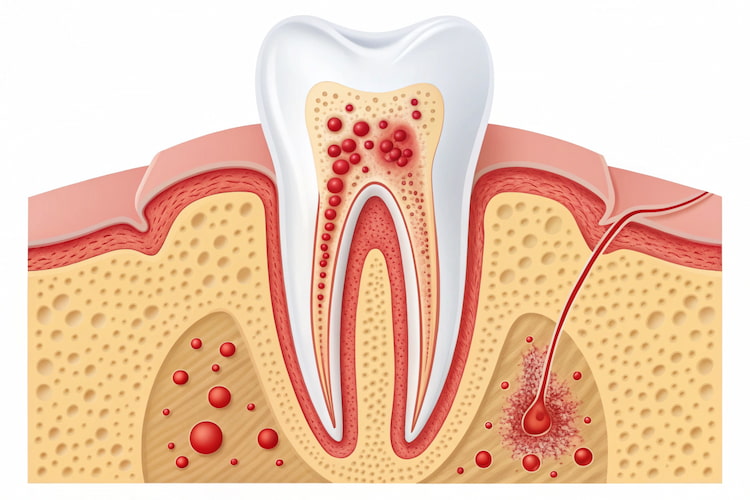
Bacteria from a dental abscess can travel through facial spaces into the jawbone, sinus cavities, or soft tissues of the neck. In advanced cases, bacteria may enter the bloodstream and cause systemic infection requiring emergency medical care.
Bone Loss and Tooth Loss
Chronic infection destroys bone around the tooth root and weakens supporting structures. This increases the risk of tooth loss and can make future dental restorations more complex.
Life-Threatening Complications
Severe infections can compromise the airway, cause facial cellulitis, or lead to sepsis. While rare, these complications highlight why dental abscesses should always be treated promptly by a licensed dentist. If symptoms worsen or spread, use our guide to find emergency dental services quickly and get urgent care as quickly as possible.
Signs You Need Immediate Care
Some dental abscess symptoms indicate an urgent situation that should be evaluated immediately by a dentist or the emergency department.
- Facial or neck swelling
- Fever with tooth pain
- Difficulty swallowing or breathing
- Severe or worsening pain that does not improve
If severe tooth pain starts at night, this guide on night toothache solutions explains what to do safely until you can see a dentist.
What to Expect During an Emergency Visit
During an emergency visit, the dentist will take X-rays and perform a clinical exam to determine the source of the infection. Pain will be controlled, drainage may be performed if needed, and a treatment plan such as root canal therapy or extraction will be initiated. Antibiotics may be prescribed when clinically indicated.

Dental Abscess Treatment at Smile Avenue Dentistry in North York
Smile Avenue Dentistry provides dental abscess treatment in North York near Yonge and Sheppard. Patients with facial swelling, fever, or severe pain are prioritized whenever possible, given the medical risks of dental infections.
Same Day Emergency Protocols
Patients experiencing significant pain or swelling are triaged quickly. Same-day emergency dental services and treatments are offered when clinically appropriate to reduce infection spread and relieve symptoms as soon as possible.
Diagnostic Imaging and Pain Control
Digital dental X-rays and clinical exams are used to locate the infection and assess bone involvement. Local anesthesia and other pain control techniques are used to keep dental abscess treatment comfortable and manageable.
Evidence-Based Treatment Planning
All treatment decisions are guided by established clinical standards from the Canadian Dental Association and international dental authorities. Patients receive clear explanations of their diagnosis, treatment options, and expected outcomes.
Emergency Tooth Pain or Facial Swelling?
Smile Avenue Dentistry offers priority scheduling for patients with dental infections, swelling, or severe discomfort. If you are experiencing fever, difficulty swallowing, or facial swelling, an urgent dental evaluation is recommended.
Meet Your Dentist for Dental Abscess Treatment
Dr. Ehsan Bayegan brings extensive clinical experience in both general and surgical dentistry, with a focus on treating dental infections, abscesses, and complex oral conditions. He is highly skilled in dental implantology, oral surgery, periodontics, full-mouth restorations, and emergency dental care.
Patients can trust Dr. Bayegan’s expertise in managing abscesses, performing root canal therapy, and delivering restorative dentistry treatments according to current clinical standards.
Dental Abscess Treatment That Protects Your Health and Comfort
While some tooth discomfort may seem minor at first, early evaluation and proper dental care are essential to prevent the infection from worsening and to protect your long-term oral health. Paying attention to symptoms, seeking professional treatment, and following your dentist’s guidance all play a key role in stopping infection, relieving pain, and preserving your teeth.
It’s important to remember that the information shared here is for guidance only and does not replace an in-person dental exam. Each abscess and tooth infection is unique, so seeing a licensed dentist promptly is the safest way to ensure accurate diagnosis and effective treatment.
Along with emergency dental abscess treatment, Smile Avenue Dentistry offers root canal therapy, tooth extractions, dental cleanings, restorative dentistry, and full smile makeovers in North York. Whether you’re experiencing sudden tooth pain, swelling, or fever, our team is ready to provide safe care and clear guidance for your oral health.
FAQ
-
What is the fastest dental abscess treatment?
The fastest treatment involves professional drainage combined with root canal therapy or tooth extraction to remove the infection source. Antibiotics alone cannot cure a dental abscess.
-
Can a dental abscess heal on its own?
No. Dental abscesses require professional dental treatment. Without care, the infection usually worsens and may spread.
-
Is facial swelling from a tooth infection dangerous?
Yes. Facial swelling may indicate a spreading infection and requires urgent dental or medical evaluation.
-
Will I always need a root canal?
Not always. Treatment depends on whether the tooth can be restored. Some abscessed teeth require extraction instead.
-
What should I do if severe tooth pain starts at night?
Contact an emergency dental clinic as soon as possible. If swelling, fever, or difficulty breathing occur, seek immediate medical care.
Have questions about tooth infections, swelling, or emergency dental care?
Leave a comment below, and our team will be happy to help clarify your concerns.