

Pregnancy changes a lot in your body, but don’t forget your teeth! Many moms wonder if cavity treatment during pregnancy (such as a dental filling) is safe. With the right precautions and guidance from your dentist, it’s generally safe. Keep reading to discover the safest ways to treat your dental cavity while expecting!
Why Dental Health Is Crucial During Pregnancy
Your hormones make your gums softer and your mouth more sensitive to bacteria during pregnancy. If a cavity turns into an infection, it sends inflammation signals through your whole body. It’s a physical pressure that puts your system on alert, and this isn’t good for you or the baby. Some research shows that a strong mouth infection can lead to early birth or low birth weight.
Read more: “How to Whiten Fillings on Front Teeth: Options, Expectations & Best Practices”
Causes of Cavities During Pregnancy

Pregnancy hormones and lifestyle changes can make your teeth more vulnerable. Here’s why:
- Hormonal Changes: Higher progesterone and estrogen can make your gums extra sensitive and more irritated.
- Morning Sickness: That acidic vomit can slowly wear down your enamel.
- Snack Attacks: Constant cravings or sugary treats feed the bacteria that cause cavities.
- Skipping Brushing or Flossing: Being busy, tired, or feeling sick can make you miss brushing or flossing, which lets plaque build up and harm your teeth.
Cavity Treatment During Pregnancy
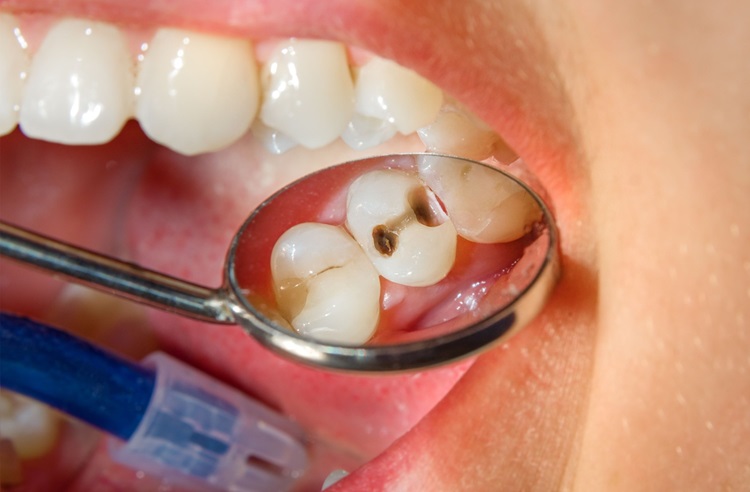
Safe cavity treatment during pregnancy is totally possible with the right materials. With the right care we share here, you can stay comfortable and keep your baby safe.
Safe Local Anesthesia
Local anesthetics like lidocaine, sometimes with epinephrine, are safe during pregnancy. They block pain and help the mother stay calm, which also keeps the baby safe. Using them this way limits drug exposure compared to general sedation.

Do you want to know more about temporary tooth fillings? Here, we will answer all your questions about temporary tooth fillings.
Safe Materials for Dental Fillings
Your dentist uses materials that are safe for you and your baby. Composite fillings are generally safe. Amalgam fillings contain mercury, but if they’re in good shape, there’s no need to take them out; only fix them if they’re damaged. Glass ionomer fillings are also safe and can be used as an alternative when appropriate.
X-Rays with Minimum Risk

X-rays are usually avoided unless really needed, but if your dentist needs one, they take extra care. You’ll wear a lead apron to protect your belly and thyroid, and only a tiny dose is used. This keeps your baby safe while your dentist gets the info they need.
Need Safe Cavity Treatment During Pregnancy?
Here at Smile Avenue Dentistry, we provide gentle, pregnancy-safe dental care, including fillings, cleanings, X-rays when needed, and expert monitoring. Your comfort and your baby’s safety are always our top priority.
Timing and Precautions
The second trimester (weeks 13–28) is the safest and most comfortable time for routine or elective treatment such as dental crowns or root canal treatment.
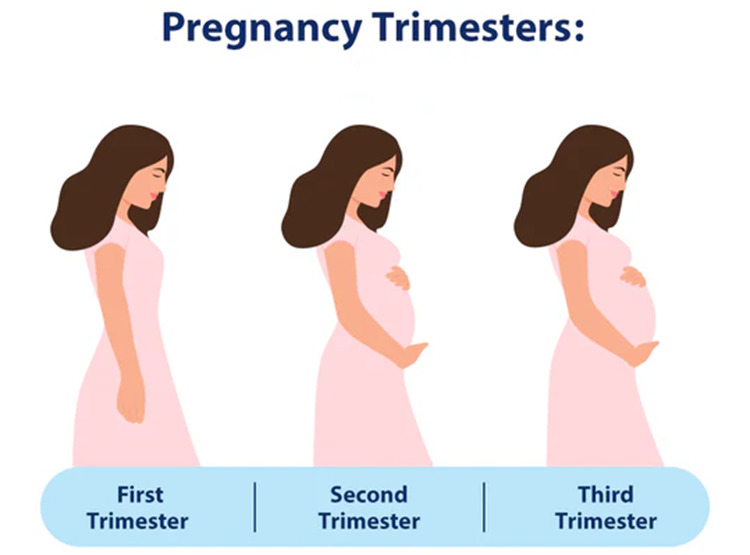
The first trimester is more sensitive because your baby is developing, and the third trimester can be uncomfortable for long procedures. Still, if any dental problems come up, check with your dentist to get proper care and advice.
Safe Practices for Oral Health During Pregnancy
A few simple habits can really help protect your smile from cavities in pregnancy. They include:
| Practice | Importance |
| Brush twice a day | Keeps the gunk off your teeth and stops cavities from settling in. |
| Floss everyday | Gets into those sneaky spots your toothbrush totally ignores. |
| Use a fluoride toothpaste | Gives your enamel a power-up and helps fight off decay. |
| Keep up with dental checkups | Finds tiny issues before they turn into big, annoying ones. |
| Cut back on sugary snacks | Keeps acid attacks away and helps your teeth stay strong. |
| Rinse with a baking soda solution after vomiting | Helps neutralize acid |
| Chew xylitol gum (if your dentist approves) | Helps reduce bacteria |
| Schedule regular professional cleanings | Keeps gums healthy during hormonal changes |
Still don’t know whether you should choose tooth extraction or a root canal? In this guide, we will inform you about all the differences between tooth extraction vs root canal.
Safe Medications During Pregnancy
Here, we’ve listed the safest meds for you, so you can get your cavity treated without worry, even during pregnancy.
| Category | Examples | Precautions |
| Pain relievers | Acetaminophen, short-term use of codeine or hydrocodone if needed | Avoid NSAIDs (like Ibuprofen), especially in the third trimester; don’t take extra doses of acetaminophen. |
| Antibiotics | Penicillin, Amoxicillin, Cephalosporins, Clindamycin, Metronidazole | Stay away from tetracyclines; use the lowest dose that still works. |
| Local anesthetics | Lidocaine (with epinephrine) | Safe during all stages of pregnancy; keeps you relaxed and reduces overall exposure. |
Do you want to learn more about the side effects of root canal treatment? In this blog, we will tell you what to expect when it comes to root canal side effects.
Keep Your Pregnancy on a Steady, Healthy Track
Cavity treatment during pregnancy can be simple and safe when you use the right materials and choose the best timing. Following basic dental care and seeing your dentist regularly keeps both your teeth and your baby safe. Do you want to restore your teeth’s appearance and functionality? At Smile Avenue Dentistry, we offer expertly crafted dental crowns and bridges to help you regain your confident smile. Book an appointment for dental crowns & bridges in North York.
FAQ
Is it actually safe to get cavities treated while I’m pregnant?
Yes, it’s safe. Most routine treatments, like fillings and cleanings, are completely fine during pregnancy when your dentist uses the proper precautions.
Do dental X-rays pose any risk to my baby?
Not with modern equipment. Today’s dental X-rays use very low radiation, and with a lead apron, they’re considered safe. Dentists only take them when they’re truly necessary.
Can I take painkillers when my tooth hurts?
You can use acetaminophen, but only in the dose your doctor recommends. Avoid NSAIDs like ibuprofen while pregnant, especially later on. If you have any doubts, double-check before taking anything.
Which trimester works best for dental treatment?
The second trimester is usually the most comfortable. Your nausea often settles, you have a bit more energy, and sitting through an appointment feels easier. But if you’re in pain or dealing with an infection, you can (and should) get treated at any time.
Have questions about getting cavity treatment during pregnancy or want to share your experience? Leave a comment below, we’d love to hear your thoughts and help guide you!