
In North York, the weather can really mess with your teeth, causing that annoying sensitivity. Whether it’s the freezing cold of winter or the sticky humidity in the summer, temperature changes can trigger sharp pain or discomfort. This happens because your teeth react to the environmental shifts, which irritates your nerves. Professional dental cleaning can help reduce sensitivity. Let’s take a closer look at how sensitive teeth in North York’s weather happen and how you can deal with them.
Understand Tooth Sensitivity Basics
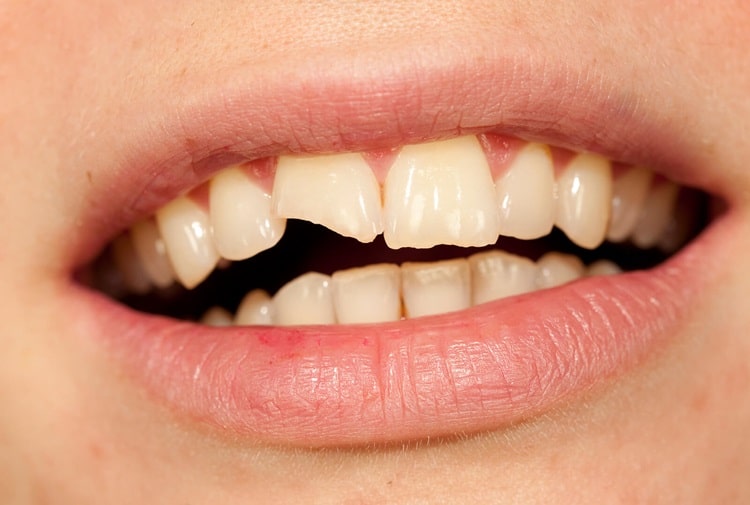
To grasp why weather matters, we need to cover the basics of tooth sensitivity. It’s not just random discomfort; it’s often rooted in everyday habits and conditions. Let’s break it down in simple terms.
- Exposed Dentin: When enamel wears away, the underlying dentin with its tiny tubules becomes exposed, which allows sensations to reach nerves and cause pain.
- Gum Recession: Gums pulling back from teeth reveal roots without protective enamel and make them vulnerable to temperature changes.
- Cracks or Fractures: Small cracks in teeth from grinding or injury let cold air penetrate, which increases discomfort during winter outings. Restorative dentistry may work as a solution for this problem.
- Cavities and Decay: Untreated decay erodes enamel and increases sensitivity, especially in humid conditions that boost bacterial growth.
- Acidic Diet: Eating acidic foods regularly erodes enamel over time, leading to weather-related issues.
How Weather Conditions Affect Tooth Sensitivity in North York
Weather changes in North York can have a direct impact on tooth sensitivity, triggering pain and discomfort throughout the year. Understanding how climate affects your teeth can help you manage sensitivity more effectively.
Winter Chill and Cold Air Exposure

Winters in North York can be tough on sensitive teeth. The cold air and dry indoor heating shrink enamel and dry out your mouth, leaving your teeth exposed to pain. Switching between hot food and cold air can shock your teeth, while cold winds hitting your teeth when you breathe through your mouth can cause even more discomfort. All these factors combine to make sensitive teeth in North York’s weather a real hassle during the winter.
Read more: “Types of Cavity Fillings: Pros, Cons & Costs”
Summer Heat, Dehydration, and Cold Drinks

Summer in North York brings its own issues for sensitive teeth. The heat, humidity, and busy lifestyle can make things worse. Dehydration reduces saliva and enamel protection, while cold drinks and frozen treats can trigger sharp pain. Sugary drinks also raise the risk of cavities, and skipping regular brushing during the hectic summer days adds to the problem.
Struggling With Tooth Sensitivity in North York’s Changing Weather?
At Smile Avenue Dentistry, we offer personalized care, thorough cleanings, and effective treatments to protect your teeth in every season. Visit our homepage or contact us today and take the first step toward lasting relief and better oral health.
Rainy Seasons and High Humidity Levels

Wet and humid weather in North York can quietly affect how your teeth feel. High humidity helps bacteria grow and can irritate the gums, which makes teeth more sensitive. Heavy rain often comes with pressure changes that can bother tooth nerves, and cool, damp air can cause enamel to contract suddenly. Put together, these conditions can make tooth sensitivity flare up when you least expect it.
Don’t know why your teeth feel sticky? We will talk about why it happens when you wake up or after you eat.
Barometric Pressure Fluctuations
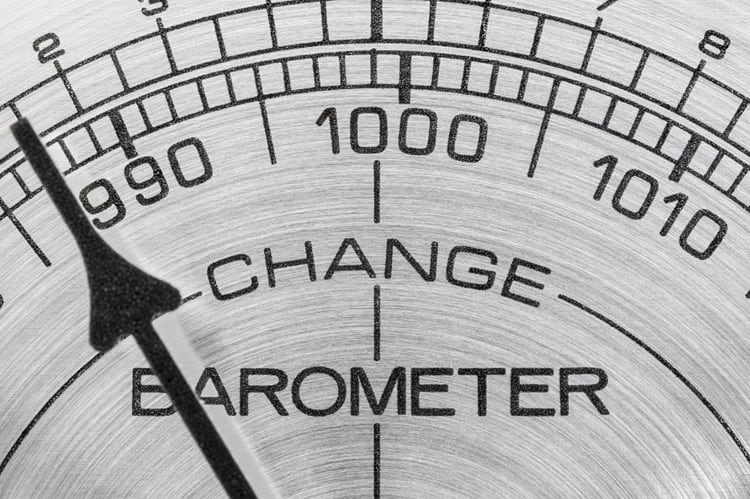
Changes in air pressure can really mess with sensitive teeth. When pressure falls, it can cause throbbing nerve pain, while rising pressure can make your teeth more sensitive to the cold. Wind gusts can also suddenly cool your teeth and make them feel extra uncomfortable. These little shifts in the weather can have a big impact on sensitive teeth in North York’s weather.
Seasonal Allergies and Sinus Pressure

In North York, allergies in spring and fall can make tooth sensitivity worse. Sinus pressure from pollen or mold presses on the roots of upper teeth, causing pain that feels like tooth sensitivity. This gets worse with weather changes, like cooling temperatures in September. Managing allergies with decongestants can help, but it’s important to know the difference between dental issues and sinus pain for the right care.
How to Prevent Tooth Sensitivity in North York’s Weather
- Use desensitizing toothpaste with potassium nitrate to reduce pain signals.
- Protect your mouth outdoors by wearing a scarf over your mouth to warm the air and shield your teeth from the cold.
- Drink plenty of water to keep saliva flowing and protect your teeth from dryness and humidity.
- Limit acidic foods like citrus and sodas, especially in summer, to protect your enamel.
- See your dentist every six months to catch problems early before the weather makes them worse.
Do you want to learn more about dental filling material? Visit the link to find out what different types of dental fillings are.
Professional & Home Treatments for Sensitive Teeth in North York’s Weather
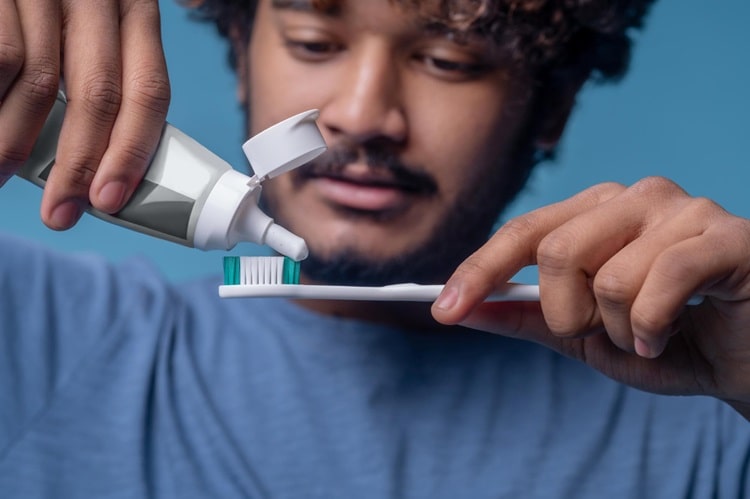
All these DIY and professional treatments help by reducing your teeth sensitivity. But remember that visiting a dentist must be your first option.
| Treatment Type | Description | Pros | Cons | Best for North York Weather |
| Desensitizing Toothpaste | Paste to numb nerves | Easy, affordable | Takes time, not for severe cases | Mild winter sensitivity |
| Fluoride Treatments | Dentist applies fluoride for enamel strength | Quick, long-lasting protection | Needs dentist visit, repeat visits | Seasonal changes and sensitivity |
| Clove Oil | Natural oil to numb sensitive areas | Cheap, easy to use at home | Temporary, may irritate | Sudden cold snaps |
| Saltwater Rinse | Swishing warm salt water for relief | Simple, no cost | Mild relief, not a cure | Humid summers for gum health |
| Dental Sealants/Bonding | Resin to seal exposed areas | Permanent fix | Expensive, requires dentist | Ongoing weather-related issues |
Did you have an accident and knock out your tooth? Here’s how to find emergency dentists near you fast.
When the Weather Tests Your Smile
Dealing with tooth sensitivity in North York’s weather doesn’t have to be a pain. Cover your mouth in winter, drink plenty of water in summer, and use desensitizing toothpaste to protect your teeth. If your teeth are chipped or cracked and become extra sensitive in cold or hot weather, Smile Avenue Dentistry offers professional dentists and strong dental fillings in North York.
FAQ
Why do my teeth hurt more during winter in North York?
Cold air and dry heating can shrink enamel and expose nerves, while mouth breathing makes it worse.
Can rainy or humid days really affect my teeth?
Yes! Humidity can irritate gums and increase bacteria, while pressure drops from storms can cause nerve pain. Sinus pressure can also make your upper teeth hurt.
How can I protect my teeth from weather-related sensitivity?
Cover your mouth in cold weather, stay hydrated, use sensitive toothpaste, and avoid super hot or cold foods. Regular dental visits help, too.
Is tooth sensitivity worse in summer or winter?
Winter triggers sharp pain from cold, while summer causes discomfort from dryness. Both seasons can cause teeth sensitivity in North York’s weather, but it depends on the person.
Do barometric pressure changes really affect teeth?
Yep! Pressure drops can cause aching as gases expand in your teeth, while rising pressure might increase cold sensitivity. It’s another factor in teeth sensitivity in North York’s weather.
Do cold air or seasonal weather changes make your teeth hurt? Share your experience with sensitive teeth in North York’s weather in the comments below. Your tips or questions could help others dealing with the same issue!