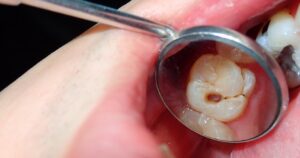
A bright, confident smile is something most people desire. But what happens when your front teeth have fillings? Many patients wonder: how to whiten fillings on front teeth? The fact is that teeth whitening with dental fillings is not as straightforward as whitening natural enamel.
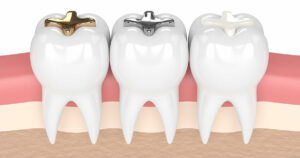
Fillings, especially those on front teeth, are made from materials like composite resin, porcelain, silver amalgam, or gold, which do not respond to bleaching agents in the same way your natural teeth do.
In this guide, we’ll explain whether fillings can be whitened, the options for treating your filling discoloration, and explore realistic expectations for achieving an aesthetic, harmonious smile.
Can Dental Fillings Be Whitened?
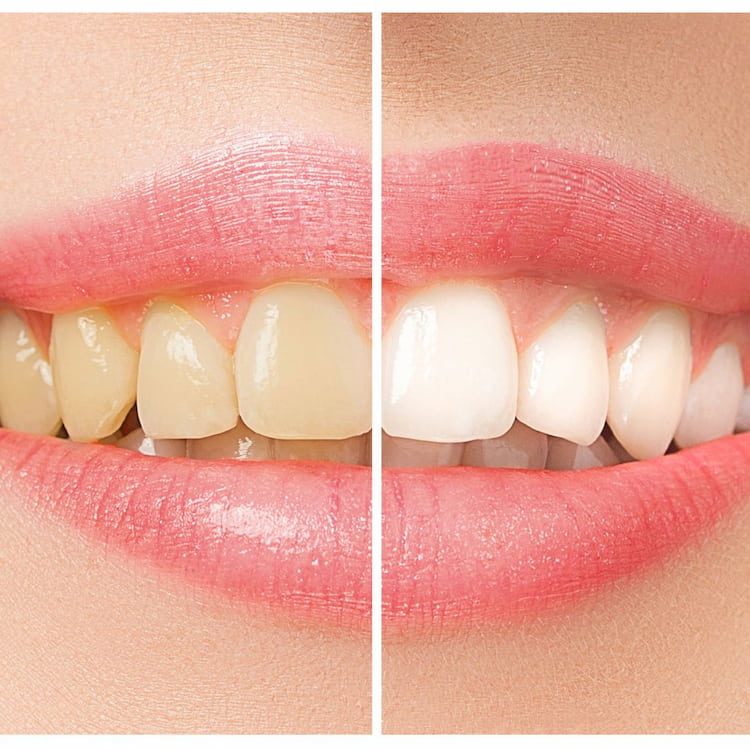
The answer is, unfortunately, not entirely. Dental fillings are made from materials that are designed to be durable and resistant to staining. However, they don’t absorb bleaching agents like hydrogen peroxide or carbamide peroxide, which are commonly used in teeth whitening procedures. This means that while your natural teeth may become several shades whiter, your existing fillings will remain the same color.
This can lead to a composite filling color mismatch, where your enamel appears lighter than your restorations, creating an uneven smile.
How Different Fillings Respond to Staining and Whitening
The type of filling also affects the outcome, as explained below:
- Composite resin: Can stain over time but won’t lighten with whitening. Replacement may be necessary.
- Porcelain: Resistant to most stains, but not affected by bleaching agents.
- Silver amalgam and gold: Naturally metallic, these will not change color.
Safe Options to Improve Appearance When You Have Fillings
So far, we’ve discussed the answer to the question “how to whiten fillings on front teeth” and learned that fillings cannot be whitened like natural teeth. That said, there are several safe options to improve the appearance of your smile.
1. Whiten Natural Teeth First (Professional Whitening)
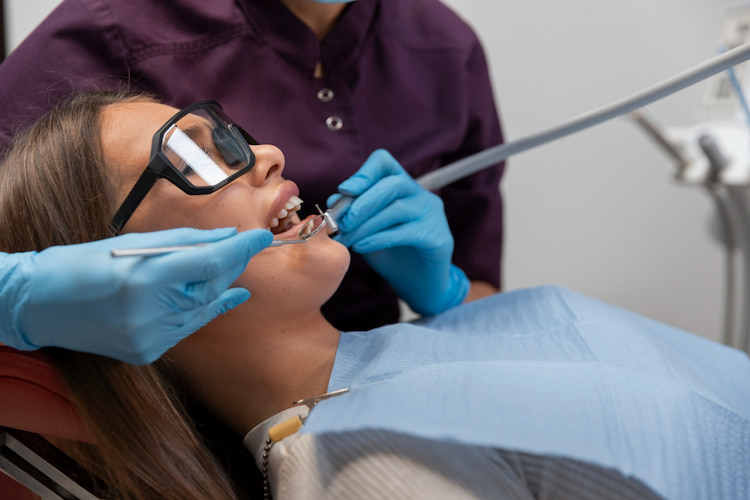
Professional teeth whitening is the most effective method for brightening your natural teeth. Dentists use stronger bleaching agents, precise application techniques, and protective measures to ensure minimal damage to your fillings.
Here are some key points about professional whitening:
- Uses high-concentration hydrogen peroxide or carbamide peroxide.
- Achieves faster, more noticeable results than at-home kits.
- Can be combined with shade-matched restoration replacement for an even smile.
- Managed sensitivity during whitening is possible with protective gels and treatments.
To achieve long-lasting results, follow the tips we’ve mentioned in our teeth whitening aftercare guide and ensure your smile stays bright!
Contact Us Find Your Best Whitening Solution!
Looking to brighten your smile safely? Book a consultation at Smile Avenue Dentistry today and see how professional whitening can work for you!
2. At-Home Whitening Kits
At-home whitening kits are popular due to convenience and affordability. These kits usually contain lower concentrations of hydrogen peroxide or carbamide peroxide.
According to an article on Frontiers, these kits are effective for gradual, subtle whitening but offer less dramatic results and shorter-lasting effects than professional treatments. Here are other considerations for at-home kits:
- Less effective on heavily stained teeth.
- Cannot whiten fillings, which may create noticeable contrast.
- Consistent use over weeks is necessary for results.
- Great for maintenance after professional treatments.
It’s important to note that teeth whitening vs filling color is not a battle you can win with over-the-counter products and home remedies alone. Understanding these limitations helps patients plan for alternative options that maintain a natural-looking smile.
Read more: Professional Teeth Whitening vs. At-Home: Which is Right for You?
3. Cosmetic Dental Restorations
When whitening alone cannot create a balanced smile, cosmetic dental restorations provide an effective solution. These options allow your dentist to match the color of your fillings or teeth after whitening, ensuring your front teeth look natural and consistent.
Composite Replacement
Replacing old fillings with new, shade-matched composite resin is one of the most straightforward ways to restore harmony to your smile. After whitening, your dentist can carefully select a resin color that blends seamlessly with your newly brightened enamel. This approach provides immediate results and is minimally invasive.
However, patients should know that composite resin can stain over time, so maintaining good oral hygiene and avoiding stain-causing foods and drinks is essential.
Dental Bonding
Bonding is a quick and minimally invasive cosmetic procedure that uses tooth-colored resin to correct discoloration, chips, or unevenness on the front teeth. For patients with a composite filling color mismatch, bonding offers a fast way to achieve a uniform shade after whitening. It’s affordable, can usually be completed in a single visit, and doesn’t require major enamel reduction.
Veneers
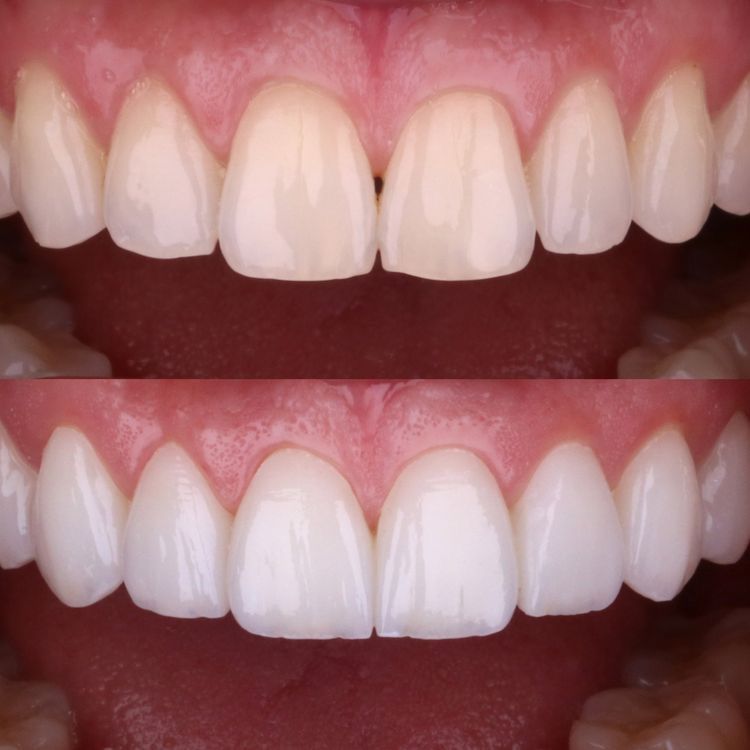
Dental veneers are thin porcelain shells that cover the front surface of your teeth, creating a long-lasting, highly aesthetic result. They are particularly effective for patients with multiple discolored fillings or teeth that no longer match after whitening.
Veneers resist stains better than composite resin and provide a natural, lifelike finish. While they require some enamel reduction and are more costly, veneers are one of the most durable and attractive solutions for achieving a truly radiant smile.
How to Care for Your Teeth & Fillings to Prevent Discoloration
Maintaining your smile after whitening is just as important as the procedure itself. Follow these tips to prevent discoloration and prolong the life of your fillings:
- Brush twice daily with fluoride toothpaste and use a soft-bristle toothbrush.
- Floss regularly to prevent plaque buildup around restorations.
- Avoid or limit staining foods and beverages, such as coffee, tea, red wine, and highly pigmented sauces.
- Quit smoking to prevent yellowing of both natural teeth and composite fillings.
- Schedule regular dental check-ups for professional cleanings and early detection of restoration wear.
The toothpaste you choose has a direct impact on your smile’s health and brightness. So, make sure you check our guide to the top whitening toothpastes of 2025 to have a radiant smile.
Be Ready for Change by Learning How to Whiten Fillings on Front Teeth
Whitening fillings on front teeth presents unique challenges, but a beautiful, harmonious smile is achievable. While bleaching agents cannot lighten fillings themselves, a combination of professional whitening, cosmetic restorations, and proper oral care ensures your smile looks bright and even. At Smile Avenue Dentistry, our dentist in North York specializes in guiding patients through each step, from whitening to shade-matched restorations, creating smiles that boost confidence.
Ready for a stunning smile? Contact Smile Avenue Dentistry to schedule your consultation and explore the best whitening and other dental cosmetic options for your front teeth!
FAQ
-
Can I whiten my composite fillings at home?
No, at-home bleaching agents cannot change the color of composite or other fillings. Replacement may be needed for color consistency.
-
How long after whitening should I replace my fillings?
It is best to wait at least 2 weeks after whitening. This allows the enamel color to fully stabilize and ensures the new filling bonds strongly to the tooth structure.
-
Will veneers work better than fillings for a uniform white smile?
Veneers can provide a more long-lasting, even color for front teeth, especially if multiple teeth have discoloration or mismatched fillings.
-
Can whitening damage my fillings?
Properly applied professional whitening is safe, but overuse or misuse of at-home kits can cause sensitivity or weaken the bonding around fillings.
Have questions about whitening your fillings or matching restorations? Share them in the comments below; we’d love to help you achieve your dream smile!