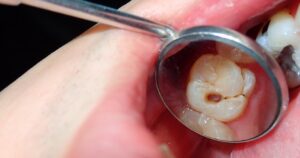

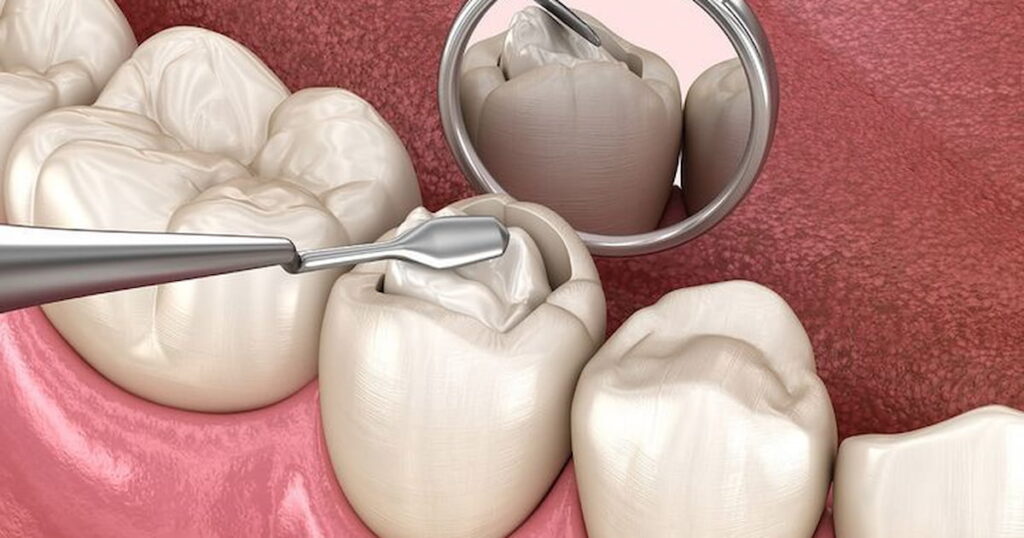
A temporary tooth filling is a short-term solution used by dentists to protect your tooth until a permanent restoration can be placed. Many patients in North York hear this term during a dental emergency or after a root canal treatment and wonder what it means, how long it lasts, and how to care for it.
In this guide, we’ll explain everything North York patients need to know about temporary dental fillings, from their purpose and materials to their lifespan, aftercare, and when to replace them with a permanent dental filling in North York.
What Is a Temporary Tooth Filling?
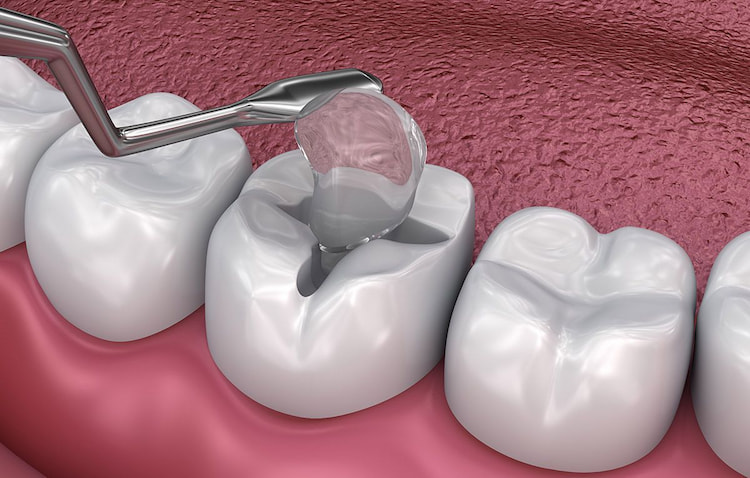
A temporary dental filling (sometimes called a temporary cavity filling) is a protective material placed inside a tooth for a limited period. Unlike permanent fillings, which can last for years, temporary fillings are designed to last only a few weeks or a few months.
Dentists use them to shield a tooth from bacteria, food debris, or further decay. They also reduce sensitivity and protect exposed nerves until a permanent solution, such as a dental crown or composite filling, is ready. Think of it as a bandage for your tooth: it buys time while your tooth heals or waits for its final restoration.
Where Is Temporary Dental Filling Used?
Dentists recommend temporary fillings in several situations. Let’s explore the most common ones.
1. Emergency Treatment
If you suddenly chip or crack a tooth, or if an old filling falls out, your emergency dentist may place a temporary filling. This quick fix prevents bacteria from entering the exposed area and reduces discomfort until you can return for a full treatment.
2. Temporary Filling After Root Canal
After a root canal treatment, your tooth is hollowed out and more fragile. To protect it between appointments, a temporary filling seals the opening. This ensures the tooth stays clean and safe until a crown or permanent filling can be placed.
3. While Waiting for a Permanent Restoration
Sometimes, dental labs need time to craft your custom crown or onlay. During this waiting period, your dentist uses a temporary filling to protect the tooth and prevent sensitivity.
4. To Calm Tooth Sensitivity or Pain
When a tooth is extremely sensitive due to deep decay or exposed nerves, a temporary filling may be applied. This helps soothe the tooth and allows the dentist to monitor its condition before deciding on permanent treatment.
Read more: Prevent Tooth Decay in Kids with Fluoride Therapy
Materials Used in Temporary Fillings
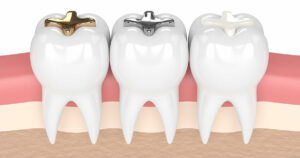
Temporary fillings are made from materials such as glass Ionomer, zinc oxide eugenol, cavit, and zinc phosphate cement. They’re all designed for short-term strength and easy removal. Each material has its pros and cons. Your dentist will choose the best one based on your treatment plan, tooth condition, and level of sensitivity. The most common temporary filling materials are mentioned in the table below.
| Material | Description | Common Uses |
| Zinc Oxide Eugenol (ZOE) | Contains eugenol, a soothing agent that reduces pain and sensitivity. Soft and easy to place. | Often used after root canal or for sensitive teeth. |
| Glass Ionomer | Releases fluoride, which helps protect against further decay. Stronger than ZOE. | Suitable for short-term fillings in areas that need extra cavity protection. |
| Cavit | A premixed material that expands slightly when it sets, creating a tight seal. | Frequently used for root canal treatments and temporary cavity fillings. |
| Zinc Phosphate Cement | A durable cement with strong adhesion. | Sometimes used for longer-lasting temporary restorations. |
How Long Do Temporary Fillings Last?
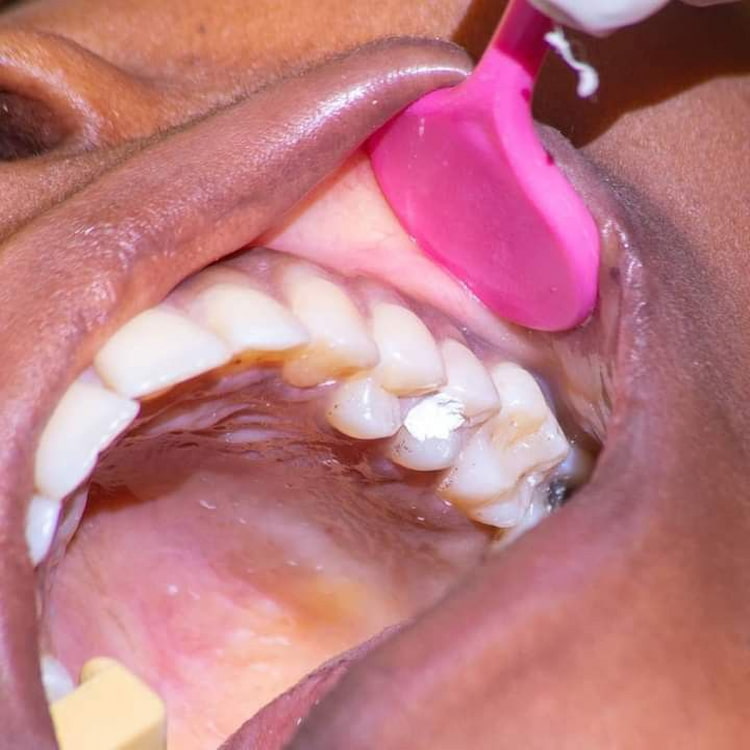
Generally, temporary fillings last anywhere from 2 to 8 weeks, depending on:
- The material used
- The size and location of the filling
- Your eating and oral hygiene habits
- Whether the tooth is under heavy chewing pressure
Temporary fillings are not meant to be permanent solutions. If left too long, they can wear down, crack, or fall out, leaving your tooth unprotected. That’s why it’s crucial to follow your dentist’s instructions and return for your permanent filling or crown.
Tip: If you notice signs your temporary filling fell out, like sudden sensitivity, pain, or a missing piece of material, contact your dentist immediately to prevent infection.
How to Care for Your Temporary Filling
Taking good care of your temporary filling will help it last until your permanent restoration is ready. Here are some essential tips:
- Maintain good oral hygiene: Brush gently around the filled tooth twice a day and floss carefully.
- Be mindful of what you eat: Avoid sticky foods like caramel or chewing gum, as they can pull the filling out. Hard foods like nuts or ice can also crack it. Soft foods are safer in the first 24 hours.
- Use toothpaste for sensitive teeth: If your tooth feels sensitive, toothpaste for sensitive teeth can provide relief.
- Watch for warning signs: Increased pain, swelling, or a loose filling means you should see your dentist promptly.
Contact Us for Top Quality Permanent and Temporary Tooth Fillings!
At Smile Avenue Dentistry in North York, we’re here to offer professional dental filling services and guide you through every step, from temporary cavity filling to your permanent treatment.
When and Why to Replace with a Permanent Filling
A temporary filling is never meant to serve as a long-term solution, which is why replacing it with a permanent restoration is essential. Unlike temporary materials, permanent fillings and crowns are built to last for years and can withstand daily chewing forces without breaking down.
If a temporary filling is left in place too long, it may start to shrink, crack, or leak, allowing bacteria to enter the tooth and cause new decay. This can lead to sensitive teeth, pain, or even infection. For patients who have had root canal therapy or extensive cavity preparation, completing the treatment with a permanent restoration is especially important to protect the tooth structure and restore full function.
Delaying replacement not only risks further damage but can also result in the need for more complex and costly dental work. That’s why it’s crucial to follow up with your dentist and complete the process with a durable, permanent solution.
Find the Best Temporary Tooth Filling Here
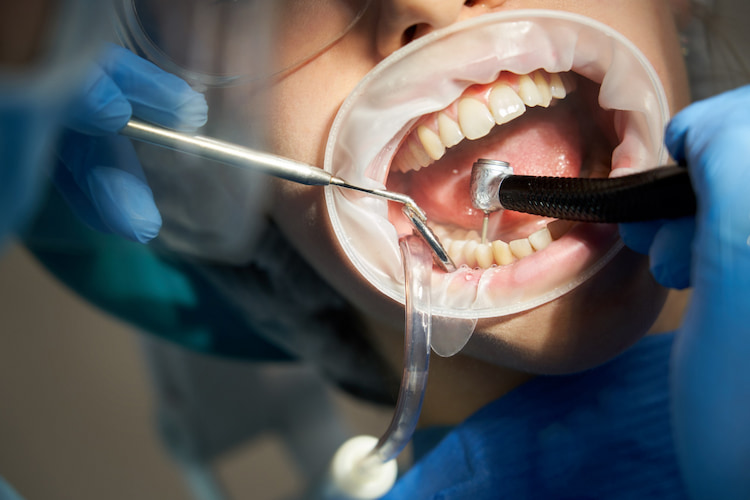
A temporary tooth filling is an important part of modern dentistry; it protects your tooth, eases pain, and buys time until your permanent restoration is ready. While temporary fillings are strong enough to do their job, they’re not a replacement for long-term solutions.
Need help with your temporary filling? Call Smile Avenue Dentistry today to schedule a visit with our professional dentist in North York. We’ll make sure your tooth stays safe and healthy. Don’t ignore your follow-up appointment; your long-term oral health depends on it!
FAQ
-
How long will a temporary filling last?
Most temporary fillings last between 2 and 8 weeks, depending on the material and your care routine. Your dentist will decide which material is best for your dental condition.
-
Can I eat normally with a temporary filling?
Yes, but avoid sticky, hard, or crunchy foods that may damage or loosen it. Soft foods are safer, especially in the first 24 hours.
-
What do I do if it falls out?
If your temporary filling falls out, call your dentist right away. Leaving the tooth unprotected increases the risk of infection and pain.
-
Are temporary fillings painful?
They usually relieve pain rather than cause it. However, mild sensitivity is common. If pain persists, contact your dentist.
Have you ever had a temporary filling? Share your experience or ask your questions in the comments below; we’re here to help!