
If you are dealing with problems like misaligned or chipped teeth, it’s probably a great choice to hide them and restore your smile using dental veneers (thin layers that fit your teeth). You can go with different options like porcelain or composite veneers based on your budget, performance, and durability needs. Let’s explore different types of dental veneers, their benefits, and how to choose the right one.
Types of Dental Veneers
Before you choose the right type of veneer, it’s helpful to know about the different types of veneers. So here they are:
Porcelain Veneers
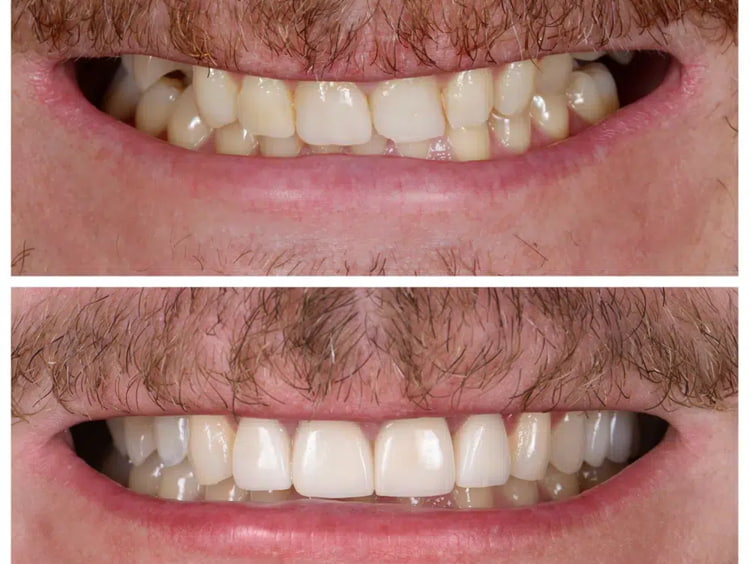
Porcelain veneers can be a great choice. They are crafted using premium materials that can last for a long time without wearing down. It’s a popular choice among those who want to hide their teeth imperfections and care about durability.
Composite Veneers
They are made of resin composite and look like the natural color and translucency of your teeth. You can easily get them at a dental office in a single appointment, with minimal changes to the natural structure of the tooth.
No-Prep Veneers / Lumineers

No-prep veneers are very thin layers applied to the front surface of your teeth, made of materials like ceramic. Lumineers is the most widely known among other brands. They don’t need a reduction of the enamel compared to traditional veneers because of their thinness, which makes them minimally invasive.
Removable Veneers
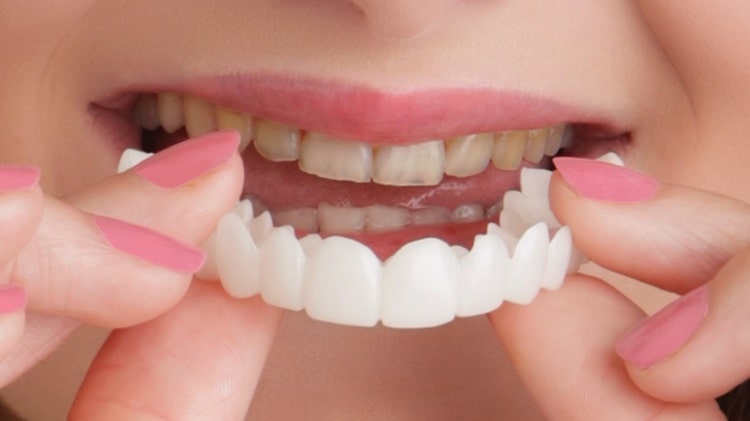
These veneers can easily restore your smile because of their flexibility, without needing other cosmetic dentistry types. You can put them on and off whenever you want, which makes them a solid option for day-to-day use. They fit the front surface of your tooth without dental drilling or adhesives.
Enhance Your Smile with Expert Care
At Smile Avenue Dentistry, we offer comprehensive check-ups, gentle cleanings, and personalized veneer consultations to restore your smile with confidence.
Pros and Cons of Each Veneer Type
Not every veneer type is perfect, so it’s important to know about their pros and cons. This table summarizes the pros and cons of different types of dental veneers:
| Veneer Type | Pros | Cons |
| Porcelain | Highly natural appearance and translucency, Long-lasting, Stain-resistant, Strong and durable | Requires enamel removal, Higher cost, Not repairable, Multi-step procedure |
| Composite | More affordable, Quick, Minimal/no enamel removable, Repairable and reversible | Less durable (4-8 years), Can stain/discolor easily, Less natural than porcelain, Needs more maintenance |
| No-Prep | Minimal/no enamel removal, Fast and comfortable procedure, Reversible, Good aesthetics for mild cases | Look bulky or less natural, Can’t mask deep stain, Less durable than traditional porcelain, Can’t mask severe misalignment |
| Removable | Lowest cost, No drilling or adhesives needed, Reversible and easy to use, Painless | Bulky fit, Less natural look/speech impact, Short lifespan (6-12 months), May trap food or increase gum risk |
For a more in-depth comparison between porcelain and composite veneers, check out porcelain vs. composite.
When You Might Need Veneers
There are some situations in which veneers can be a solid choice among cosmetic dentistry options.
- Persistent stain or discoloration: Some foods, drinks, and smoking can cause deep stains, which don’t usually go away using whitening treatments.
- Chipped or cracked teeth: If you had an accident and cracked a tooth, veneers can restore the cosmetic look and strength of the tooth.
- Minor misalignments or gaps: Sometimes, minor gaps are difficult to fix with braces, and that’s when veneers can make your teeth look more aligned.
- Worn-down teeth: Things like grinding and erosion can make your teeth wear down. Veneers can help you hide those imperfections and restore your natural look.
- Irregularly shaped, uneven, or small teeth: With veneers, you can make them look better and more proportional.
Note: You can benefit from veneers if you are an adult with developed teeth and want a cosmetic improvement for mild imperfections. Also, it can be a great choice if you are looking for non-invasive options without needing braces or whitening treatments.
Costs of Different Dental Veneer Types
The clinic’s expertise, materials, and technology are influential to the final cost. Porcelain and no-prep are the most expensive, composite is cheaper, but still pricier than removable veneers, which are the cheapest option among other types of dental veneers.
The Process of Placing Veneers
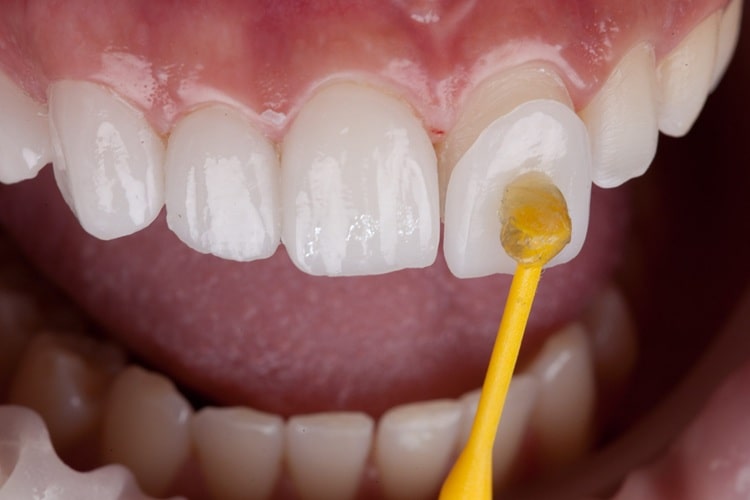
First, you need to get a dental exam and talk about your aesthetic goals and treatment options as the first step of the veneers process. Then, a thin layer of enamel will be removed to prepare the tooth. Dentists will choose the shade of the veneer so it resembles your natural teeth, and they are crafted by lab technicians. Finally, they are fitted with adhesives and polished to look better.
Read More: Veneers Costs and Pricing Guide 2025
Choosing the Right Veneer for Your Smile
The right choice when it comes to veneers can really enhance the aesthetics of your smile. There are some factors to consider when choosing one:
- Cost: Porcelain veneers usually have the highest price. For a more budget-friendly option, you can go with composite veneers. Removable veneers are the cheapest choice.
- Durability: Porcelain lasts longer and is more stain-resistant than composite. No-prep and removable veneers are usually less durable than the former two.
- Aesthetic goal: Composite veneers are suitable for minor adjustments, but Porcelain offers the most natural look and translucency.
- Oral health: If there are cases like infections or abscesses, they must be treated first before considering veneers.
How to Maintain Different Types of Veneers
Now that you’ve chosen your veneers, you need to take care of them. Brush gently twice a day with a soft-bristle toothbrush, floss daily, and use an alcohol-free mouthwash. Avoid biting hard objects, sticky or dark foods, and limit acidic or staining drinks. Composite veneers stain and chip more easily, so take extra care. Porcelain and no-prep veneers also need regular dental check-ups every six months to keep them looking their best.
Ready for Your New Smile?
Veneers can definitely enhance the look of your teeth, as well as improve the appearance of imperfections or misalignments. Choosing the right type of veneers and maintaining them will affect how natural they look.
Proper dental hygiene is essential, especially before going for veneers. Smile Avenue Dentistry in North York offers gentle cleanings through check-ups and personalized advice to protect your oral health. Don’t wait! Book your appointment at North York Dental Hygiene.
FAQ
-
Should I get BL1 or BL2 veneers?
BL1 is the brightest and whitest veneer shade. BL2 is also very bright but a little softer. You can choose based on your aesthetic goals.
-
What type of veneer is best?
It really depends on your aesthetic goals and budget. If you are looking for the most durable and natural-looking veneer, porcelain can be the best choice.
-
What I wish I knew before veneers?
Veneers need preparation like enamel removal, are not maintenance-free, vary in durability, may not fix all dental issues, and can be expensive.
-
Is the BL2 veneer too white?
BL2 veneers are considered very white and bright but not unnatural. They are a little bit softer than BL1 veneers.
-
Which veneers are the most natural-looking?
Porcelain veneers closely resemble the natural translucency of teeth and are usually the most natural option among other types of dental veneers.
Have questions about veneers? Whether you’re curious about costs, types, or aftercare, drop your questions in the comments below. We’re here to help!