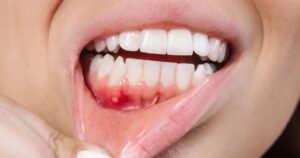

TMJ disorders affect the joint that connects your jaw to your skull, called the temporomandibular joint. This joint helps you talk, chew, yawn, and swallow. When it doesn’t work properly, it can lead to pain, stiffness, clicking sounds, and difficulty opening or closing your mouth.
Many people with TMJ disorders are unsure what is causing their discomfort or whether their symptoms are serious. Some think it is just stress or muscle tension, while others worry it may be something more severe. The truth is that TMJ disorders can develop for several reasons, and symptoms can range from mild and temporary to ongoing and disruptive.
Understanding the symptoms and causes of TMJ disorders helps you recognize problems early, avoid worsening pain, and seek the right care before daily activities like eating and speaking become difficult.
Understanding TMJ Disorders Symptoms and Causes
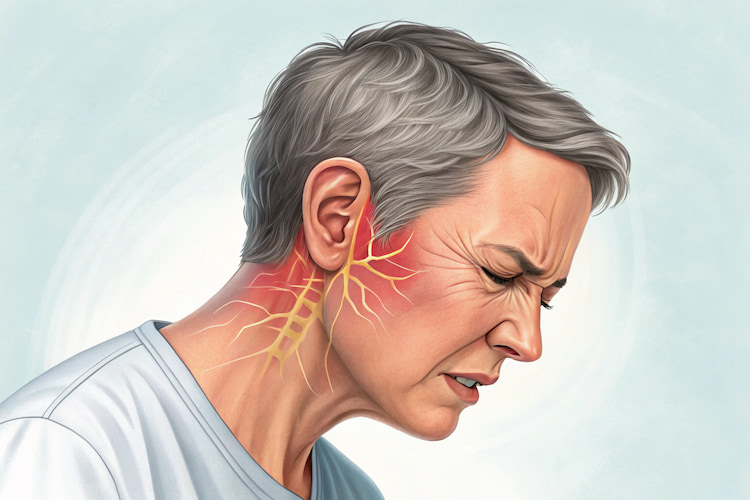
TMJ disorders, also called TMD, refer to problems affecting the jaw joint and the muscles that control jaw movement. These conditions interfere with how smoothly your jaw opens and closes and can cause pain in the jaw, face, ears, or head.
Some people experience TMJ symptoms only occasionally, while others have chronic discomfort that interferes with daily life. The condition may affect one or both sides of the jaw and can worsen with chewing, talking, yawning, or stress.
TMJ vs TMD: What’s the Difference?
TMJ refers to the temporomandibular joint itself, while TMD stands for temporomandibular disorder. In everyday use, both terms are commonly used to describe jaw joint problems, and most patients hear them used interchangeably by dental professionals.
How Common Are TMJ Disorders?
TMJ disorders are fairly common, especially among adults between 20 and 50 years old. They are more frequently diagnosed in women than men and often develop gradually rather than suddenly. Many people experience mild symptoms that improve on their own, while others need professional care.
For urgent jaw pain, severe trauma, or sudden inability to open your mouth, follow our dental emergency first aid tips to help manage symptoms until you can see us.
Recognizing TMJ Symptoms
TMJ symptoms vary from person to person and may come and go. Some people notice only mild jaw stiffness, while others experience significant pain that spreads to the head, neck, or ears. Symptoms may worsen during stress or after heavy chewing.
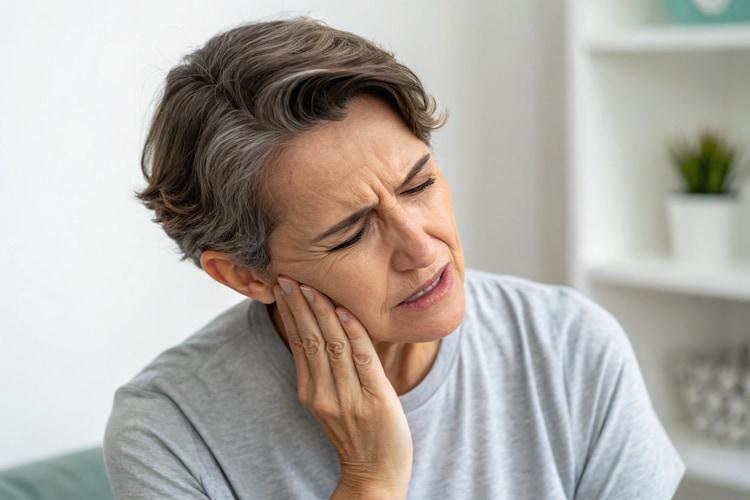
Common TMJ symptoms include:
- Jaw pain or tenderness, especially when chewing or speaking
- Clicking, popping, or grinding sounds when opening or closing the mouth
- Difficulty opening the mouth wide or feeling that the jaw is stuck
- Facial pain, headaches, or neck and shoulder discomfort
- Earaches, ringing in the ears, or pressure without infection
TMJ disorders can also cause uneven bite sensations or discomfort when your teeth come together. If these symptoms last more than a few weeks or interfere with eating or speaking, it’s important to seek professional TMJ treatment.
Main Causes of TMJ Disorders
TMJ disorders rarely have a single cause. In most cases, they develop due to a combination of joint strain, muscle tension, and structural or lifestyle factors. Understanding these causes can help prevent worsening symptoms and guide treatment.
Trauma and Jaw Injury
Injuries to the jaw, face, or head, such as accidents, falls, or sports impacts, can damage the joint or surrounding tissues. Even injuries that occurred years earlier can sometimes lead to delayed TMJ symptoms as joint structures weaken or shift over time.
Bruxism and Teeth Clenching
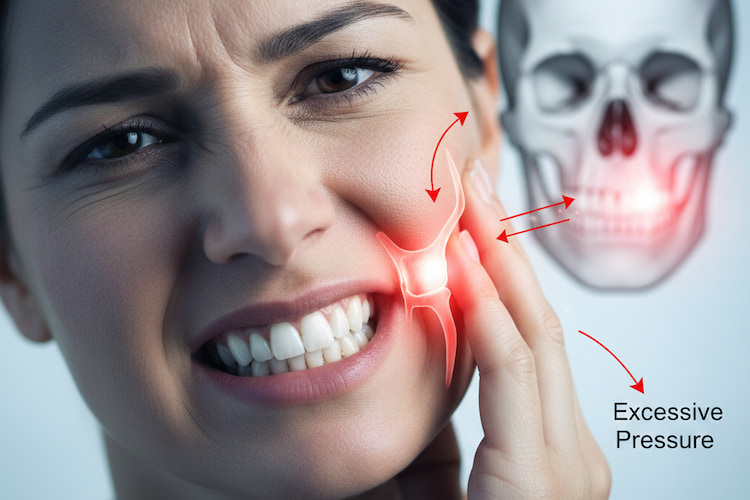
Grinding or clenching your teeth, especially during sleep, places excessive pressure on the jaw joints and muscles. Over time, this strain can lead to inflammation, joint pain, muscle fatigue, and limited jaw movement. Bruxism is one of the most common contributing factors to TMJ disorders.
Arthritis and Joint Wear
Arthritis can affect the temporomandibular joint just like any other joint in the body. Osteoarthritis can wear down joint cartilage, while rheumatoid arthritis can cause inflammation and structural damage. These changes may result in stiffness, pain, and reduced jaw function.
Bite Misalignment and Jaw Position
When your upper and lower teeth don’t align properly, your jaw muscles and joints must work harder to compensate. Over time, this uneven pressure can strain the TMJ and lead to discomfort, clicking, or locking sensations.
Muscle Tension and Stress
Stress often causes people to clench their jaw without realizing it, especially during sleep or while concentrating. Ongoing muscle tension can inflame jaw muscles and trigger TMJ pain, even without joint damage.
Other Contributing Factors
Additional factors that may increase TMJ risk include poor posture, excessive gum chewing, nail biting, genetics, hormonal influences, and connective tissue conditions. Often, TMJ disorders develop when several of these factors occur together. Learn how a spreading tooth infection can impact your jaw and oral health.
If your symptoms feel urgent or are causing significant discomfort, you can also find emergency dental services to get immediate care and relief.
When to See a Dentist for TMJ Symptoms
Occasional jaw discomfort may resolve on its own, but persistent or worsening symptoms should not be ignored. Early evaluation can prevent complications and reduce the risk of long-term joint damage.
You should consider seeing a dentist if you experience:
- Ongoing jaw pain lasting more than two weeks
- Locking, catching, or difficulty opening your mouth
- Pain when chewing or speaking
- Clicking sounds with pain or limited movement
- Headaches, ear pain, or facial discomfort linked to jaw movement
A dentist can assess your bite, jaw movement, and muscle function to determine whether TMJ disorder is present and guide appropriate care.
Concerned About Jaw Pain or Clicking?
At Smile Avenue Dentistry, we assess TMJ symptoms carefully and create personalized treatment plans to reduce pain, restore jaw function, and protect your long-term oral health. Book your consultation today.
How to Care for TMJ Disorders
Caring for TMJ disorders focuses on relaxing the jaw, reducing strain, and preventing symptoms from getting worse. Many people find relief with simple daily habits and professional guidance when needed.
| Care Step | What to Do |
|---|---|
| Avoid overworking your jaw | Do not chew gum, clench your teeth, or eat very hard foods. Let your jaw rest when possible. |
| Use heat or cold packs | Apply warm compresses to relax muscles or cold packs to reduce swelling for 15 to 20 minutes. |
| Eat soft foods | Choose soups, yogurt, eggs, pasta, and cooked vegetables during flare-ups. |
| Reduce stress | Practice deep breathing, stretching, or relaxation to prevent jaw clenching. |
| Do gentle jaw exercises | Follow dentist recommended exercises to improve movement and reduce stiffness. |
| Use a night guard | Wear a custom night guard if you grind or clench your teeth at night. |
| Maintain good posture | Sit upright and avoid forward head posture to reduce jaw and neck strain. |
| Follow the dentist’s advice | Continue recommended treatments if symptoms persist or worsen. |
With proper care, most people see improvement in their TMJ symptoms and enjoy better comfort when eating, speaking, and moving their jaw.
If you also experience sensitivity in your teeth along with jaw discomfort, learn more about why sensitive teeth happen and how to manage them.
Relieve Jaw Pain with Expert TMJ Care in North York
While some jaw discomfort may improve with simple home care, early evaluation and proper guidance can prevent worsening pain and support long-term jaw health. Paying attention to symptoms, following care routines, and consulting a dental professional all play an important role in keeping your jaw comfortable and functional.
Before we wrap up, it’s important to remember that the information shared here is purely for guidance and shouldn’t take the place of a professional dental exam. Since everyone’s jaw health and symptoms are different, we strongly recommend seeing a specialist if you’re dealing with sharp pain or any urgent issues. A quick in-person visit is always the safest way to get the right diagnosis and relief.
Along with TMJ assessments and emergency dental care, we offer dental hygiene services, dental crowns and bridges, and root canal treatments, all in North York. Whether you are managing jaw discomfort or seeking relief from chronic symptoms, our team is here to provide clear guidance and reliable care.
FAQ
-
What does TMJ pain feel like?
TMJ pain may feel like aching, pressure, sharp discomfort near the ears, or stiffness in the jaw. Some people also feel pain in the neck, shoulders, or head.
-
Can stress cause TMJ disorders?
Yes. Stress often leads to jaw clenching and muscle tension, which can strain the TMJ and trigger symptoms over time.
-
Are TMJ disorders permanent?
Many cases improve with proper care and lifestyle adjustments. Early treatment often prevents chronic symptoms.
-
Can TMJ cause headaches or ear pain?
Yes. TMJ disorders commonly cause tension headaches, facial pain, and ear discomfort even without an ear infection.
-
How are TMJ disorders diagnosed?
Diagnosis usually involves a dental exam, jaw movement evaluation, bite assessment, and sometimes imaging such as X-rays or scans.
Have questions about jaw pain, clicking, or TMJ symptoms?
Leave a comment below, and our dental team will be happy to help.