


As a parent, you might wonder “how often should children visit the dentist?”. Children benefit from seeing their pediatric dentist regularly for routine checkups and cleanings, but the frequency varies based on individual needs, oral health status, and risk factors. We will break down how often your kids need dental visits, as well as some of the benefits of early visits.
What Is the Gold Standard for Children’s Dental Vitis?
Parents should schedule their child’s first visit by their first birthday or within six months of their first tooth erupting, whichever comes first. After that, the answer to the question “how often should children visit the dentist?” is usually every 6 months for all ages for routine checkups and professional cleanings.
Is your child afraid or anxious when you want to take them to the dentist? Visit Children First Dental Visit to know how to prepare them.
Benefits of Regular Dental Visits for Children
Children with consistent dental appointment schedules experience better oral health compared to children who see a dentist only when problems develop. Here are the reasons:
1. Early Detection of Oral Health Problems

Dentists detect and treat gum diseases before they reach serious levels. They can identify Orthodontic problems like crowding, bite issues, and jaw misalignment during the growth years when early intervention is most effective. Pediatric dentists will catch oral infections, lesions, and other abnormalities early to make sure they don’t progress.
Time for Your Child’s Dental Checkup?
Here at Smile Avenue Dentistry, we provide comprehensive exams and cleanings tailored for children, ensuring early detection of dental issues and positive dental experiences.
2. Professional Cleaning and Fluoride Treatment
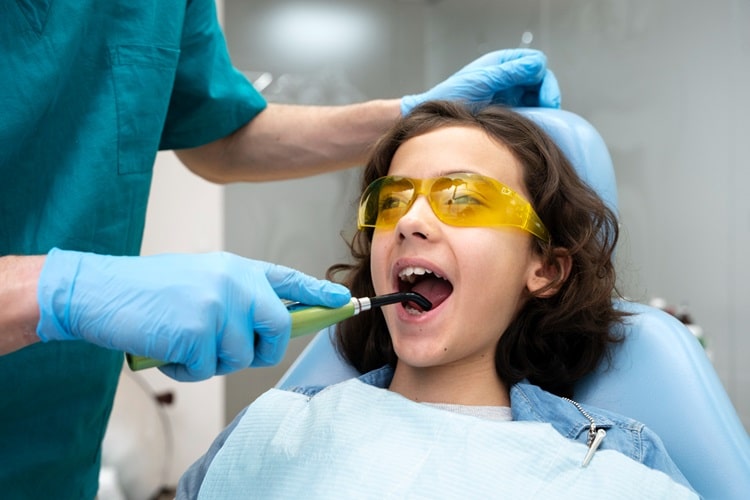
Professional dental cleaning removes tartar deposits and plaque buildup that toothbrushes cannot reach. Many children cannot achieve completely effective home care because they lack the effort and motivation required. Dental professionals apply fluoride treatments to strengthen tooth enamel and provide protection.
Do you want to know why sealants are essential for children? Check out Sealants for Children Oral Health to find out how sealants affect their oral health.
3. Monitoring Development and Growth
Children’s mouths are constantly changing. Their primary teeth are shed, permanent teeth erupt, and jaws grow and change shape. Regular dental appointments allow pediatric dentists to monitor these developmental processes. Early detection of developmental problems enables pediatric dentists to recommend appropriate timing for future treatments.
4. Education and Behavior Guidance
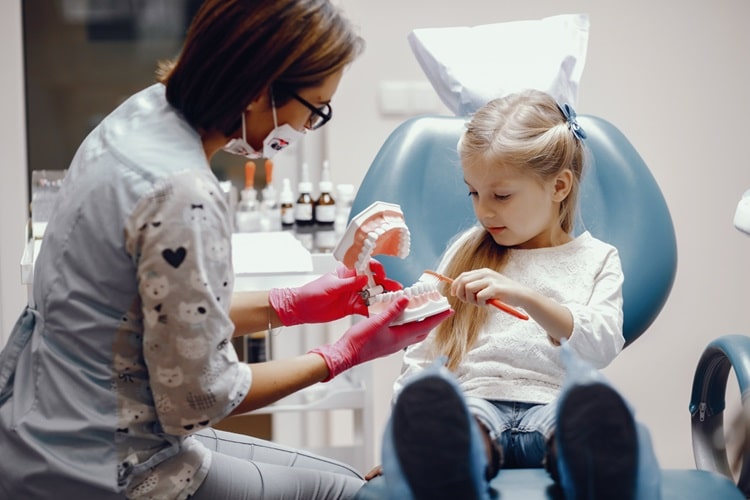
Pediatric dentists provide important education about proper oral and dental hygiene techniques, dietary choices that support oral health, and habits that might harm developing teeth. Children who receive ongoing education about their oral health develop a better understanding of why dental care matters and are more likely to develop habits that support lifelong health.
Read more: “Pediatric Dental Care Myths vs. Facts: Setting the Record Straight”
5. Reducing Dental Anxiety
Children who experience regular, positive dental appointments from an early age develop comfort with the dental environment and develop trust in their dentist. In contrast, children who only see a dentist when problems require treatment often develop anxiety associated with pain and emergency situations, which can lead to avoidance of dental care in adulthood.
Risk-Based Recommendations: When More Frequent Visits Are Needed
While the standard six-month schedule works well for most children, the answer to the question “how often should children visit the dentist?” also depends on individual risk factors and each child’s specific circumstances.
| Situations | Intervals |
| Children with a higher risk of dental caries | Every 3 to 4 months |
| Children identified as low-risk for dental diseases | Every 9 to 12 months |
| Children undergoing orthodontic treatment | Every 1 or 2 months |
Note: Children with certain health issues, recent mouth injuries or surgeries, or special healthcare needs may need custom dental visit schedules tailored to their situation.
What Is Done by Dentists in Every Age Group?
As a parent, it’s helpful to know what the dentist is going to focus on at different ages. It helps you understand what to expect during different periods of your child’s development.
- Infants and Toddlers (Birth to Age 3): Pediatric dentists assess tooth eruption patterns, monitor for any developmental anomalies, and screen for early signs of decay.
- Preschoolers (Ages 3 to 6 Years): They monitor the stability of the primary dentition, assess for future orthodontic needs, address any behavioral habits like thumb-sucking, and continue preventive treatments.
- School-Age Children (Ages 6 to 12 Years): Dentists watch for potential alignment problems, assess whether orthodontic treatment might be needed, and provide preventive sealants on newly erupted permanent molars.
Take a look at Children’s Common Dental Problems to explore more about the problems that affect your child’s smile.
Making Dental Visits Comfortable and Positive
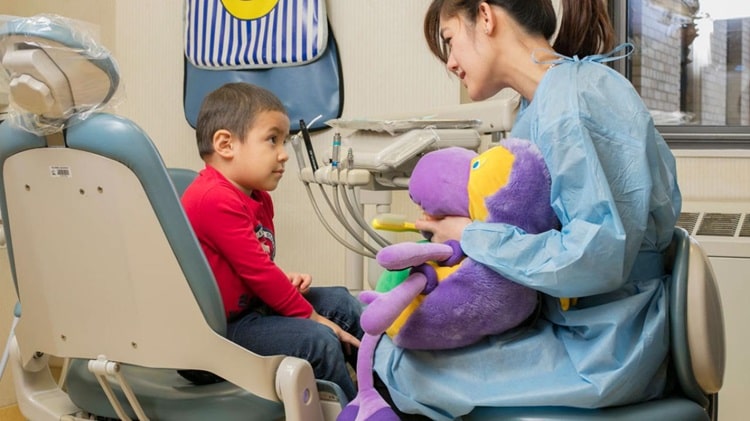
Children should view their appointments as positive, normal parts of their healthcare routine, rather than sources of anxiety or fear.
- Positive Communication: Phrases like “the dentist will clean your teeth and check that they’re healthy” are much more helpful than phrases like “it won’t hurt”.
- Choosing a Pediatric Specialist: They have specialized training in child psychology, which enables them to work effectively with anxious or uncooperative children.
- Establishing Routines: Making dental visits part of a predictable routine helps children view them as a normal part of life rather than something special or anxiety-provoking.
- Parental Support During Visits: The presence of calm, supportive parents during dental visits can significantly affect how children behave during appointments.
- Reward Systems: Small rewards can appreciate their cooperation in dental visits, but excessive rewarding can reinforce the idea that dental visits are so unpleasant that they require compensation.
Make Dental Visits a Regular Habit for Your Children
We already answered the question “how often should children visit the dentist?” which is every 6 months. Use positive communication, make dental visits comfortable, and form strong, healthy habits in your children. If your child is experiencing severe tooth pain, Smile Avenue Dentistry comes to the rescue with its compassionate team and expert care. You can book an appointment for emergency dental care in North York whenever your child needs help.
FAQ
What should I do if my child is afraid of the dentist?
Choose a pediatric dentist who specializes in working with anxious children, use positive language when discussing dental visits, read books about dental care together, and allow your child to ask questions.
Can baby teeth really affect my child’s permanent teeth?
Yes. Baby teeth help guide adult teeth into the right place. If a baby tooth is lost too early, nearby teeth can move into that space. It can cause crowding and crooked adult teeth.
How often should children visit the dentist?
The golden rule is to take your child to the dentist every 6 months. This schedule works for most kids, but some may need more or fewer visits depending on their individual needs and risk factors.
What can I do at home to support my child’s oral health between dental visits?
Encourage them to brush their teeth twice a day with a fluoridated toothpaste appropriate for your child’s age, supervise brushing until children can do it effectively, introduce flossing around age two to three, and limit sugary snacks and beverages between meals.
How often do you take your child to the dentist? Share your experiences or tips in the comments below. We’d love to hear from you!