

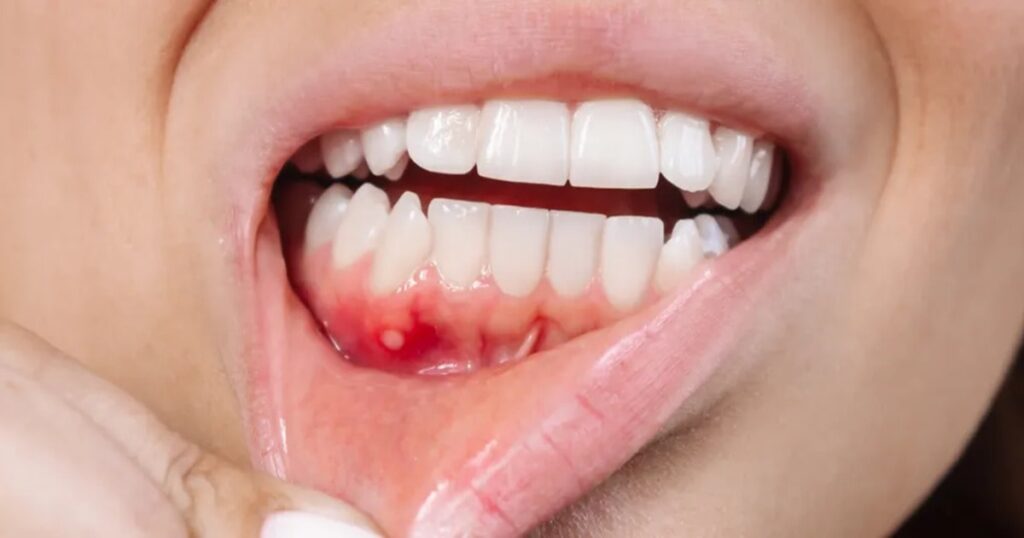
If you’ve ever dealt with a painful spot in or around your mouth, you’re not alone; many people experience cold sores and canker sores at some point in their lives. If the sores persist, become large, or come with extreme pain, you may need to see an emergency dentist. These are two common types of mouth sores. Although both cause pain and discomfort, they have different causes and treatments. In this guide, we’ll explain how they’re different, what symptoms to look for, and how to find relief.
Symptoms and Causes of Cold Sores & Canker Sores
Let’s get right to what makes cold sores and canker sores tick:
| Feature | Cold Sores | Canker Sores |
| Location | On or around the lips, sometimes inside the mouth or cheeks. | Always inside the mouth like inner lips, cheeks, tongue, or gums. |
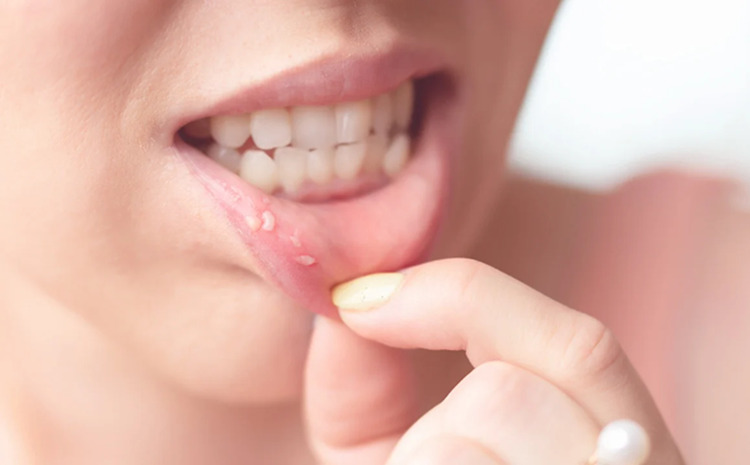
| Appearance | Fluid-filled blisters that burst, often in clusters. | Small, round ulcers that are white/yellow with a red border |
| Early sensation | Tingling or burning | Mild burning or sensitivity |
| Fever or swollen glands | Possible, especially in the first outbreak. | No fever |
| Cause | Herpes simplex virus (HSV-1) | Non-viral, cause not fully understood |
| Common triggers | Stress, illness, fatigue, sun exposure | Mouth injury, stress, food irritation, and vitamin deficiency |
| Contagious | Highly contagious via close contact or shared items. | Not contagious |
| Number of sores | Usually multiple | Usually single |
| Duration | 2-3 weeks | Usually 1-2 weeks, up to months if it’s severe. |
| Pain level | Tingling or itching first, then burning. Can be moderate to severe. | Sudden sharp pain, especially with food. Can be very uncomfortable. |
Read more: “What Foods After a Root Canal Can You Safely Eat?”
Cold Sores
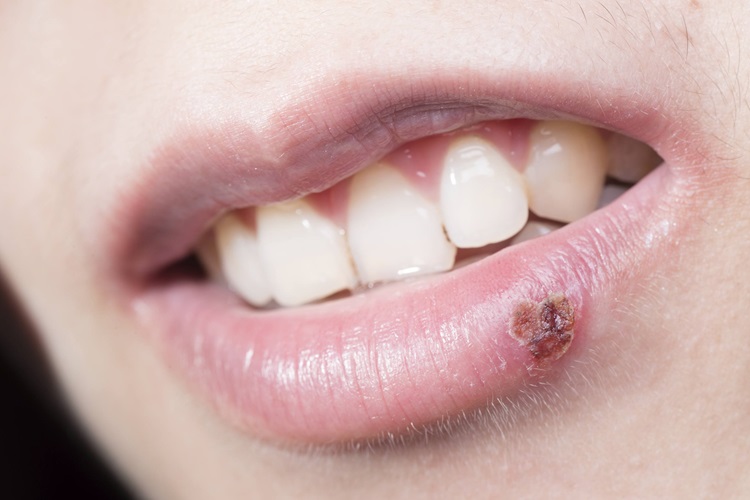
Cold sores usually start with a tingling or burning feeling around the lips, followed by small fluid-filled blisters that crust over. They’re caused by the herpes simplex virus (HSV-1) and can flare up again during stress, illness, fatigue, or sun exposure.
Need Expert Care for Mouth Sores or Oral Pain?
If you’re dealing with painful cold sores or canker sores and want professional advice, our experienced dental team is here to help. Here at Smile Avenue Dentistry, we provide comprehensive oral care to diagnose issues early and keep your smile healthy and comfortable.
Cranker sores
Canker sores appear inside the mouth (like cheeks, or tongue) as small ulcers with a white or yellow center and red edge. They’re not contagious and are often caused by stress, minor mouth injuries, irritating foods or toothpaste, or low iron and vitamin B12.
How to Prevent Cold Sores & Canker Sores
While you can’t avoid every mouth sore, recognizing common triggers helps reduce outbreaks. Try these tips:
- Manage stress: Stress can trigger both cold and canker sores, so try relaxation techniques.
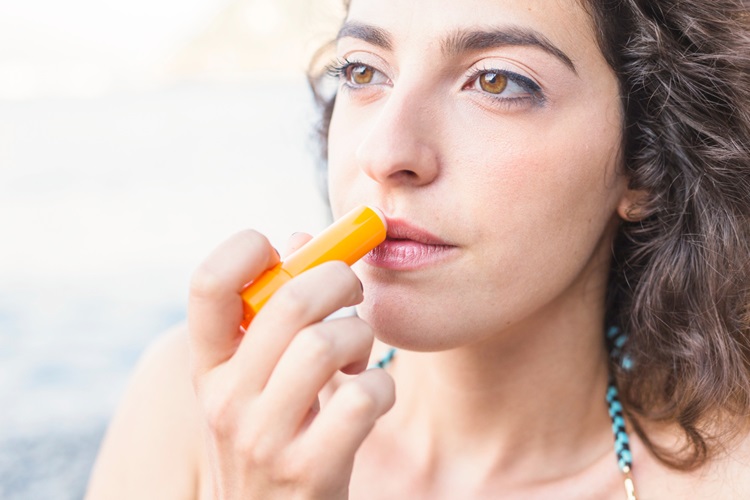
- Protect your lips: Use a lip balm with SPF and avoid excessive sun exposure to avoid cold sores.
- Avoid sharing personal items: Cold sores are contagious, so don’t share drinks, utensils, towels, or lip products.
- Have a healthy diet: A balanced diet with enough vitamins (like B12 and folate) or minerals (iron, zinc) supports healing.
- Gentle oral care: Use a soft toothbrush and a gentle toothpaste (consider an SLS-free toothpaste) to avoid irritation.
Want to know why your teeth feel sticky? We will teach you the common causes and how to fix it.
Effective Treatments for Cold Sores
Check out these options below to reduce pain and shorten healing time of cold sores:
Prescription Antiviral Pills
Doctors prescribe antiviral pills like acyclovir or valacyclovir for frequent or severe cold sores. They work best if taken at the first signs, typically for 5-7 days. For recurring outbreaks, daily doses can help reduce frequency.
Topical Antiviral Creams
Topical creams like penciclovir or docosanol should be applied early and frequently (4-5 times a day) to speed up healing and reduce discomfort.
Oral Pain Relief
Over-the-counter pain relievers such as acetaminophen or ibuprofen can help ease soreness.
Numbing Creams and Ointments
Creams with benzyl alcohol or similar ingredients reduce pain by numbing the area. Apply a small amount directly on the sore up to four times daily.
If you are in pain and need urgent dental care, here’s how to find emergency dental services near you fast.
Keeping the Area Moist
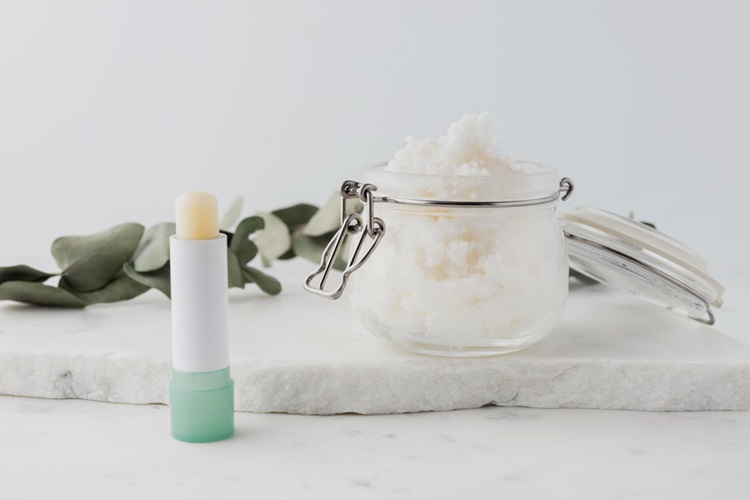
Apply petroleum jelly to the cold sore 2-3 times a day to keep it soft and prevent cracking. This protects the sore, reduces pain from dryness, and helps it heal faster.
Effective Treatments for Cranker Sores
These treatments help keep irritation under control while your mouth heals:
Prescription Corticosteroid Ointments
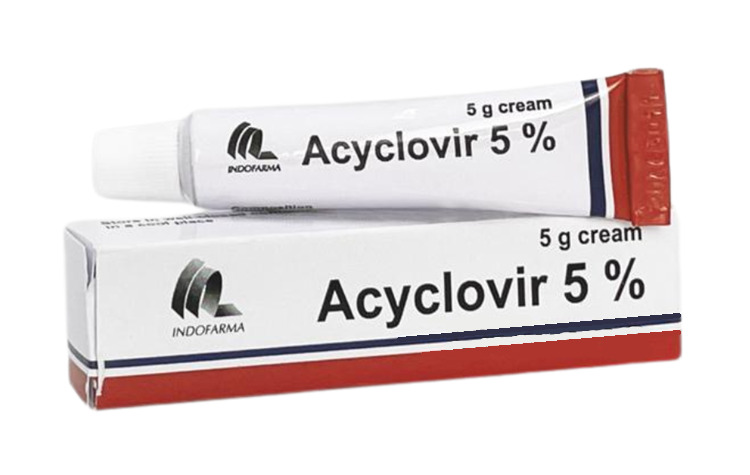
Doctors prescribe fluocinonide or similar corticosteroids for painful or long-lasting sores. Apply a small amount to the sore 2-3 times a day, usually after meals. Avoid eating or drinking for 30 minutes after.
Topical Numbing Gels
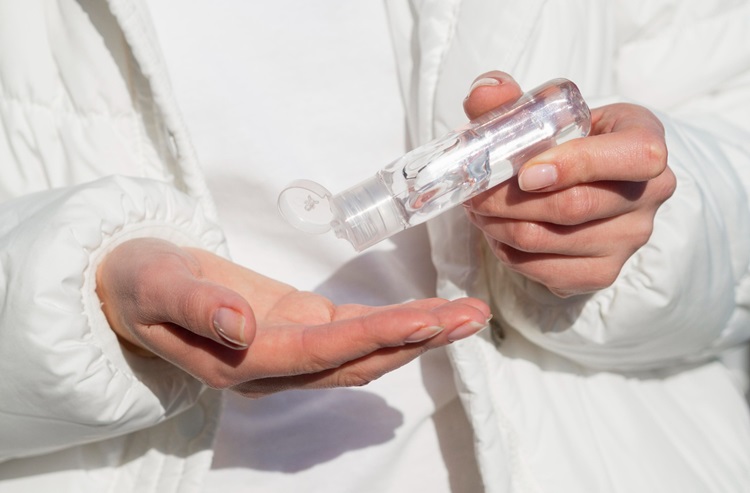
Over-the-counter gels with benzocaine help reduce pain quickly. Apply directly to the sore before meals and at bedtime. These gels make eating and speaking more comfortable during healing.
Mouth Rinses
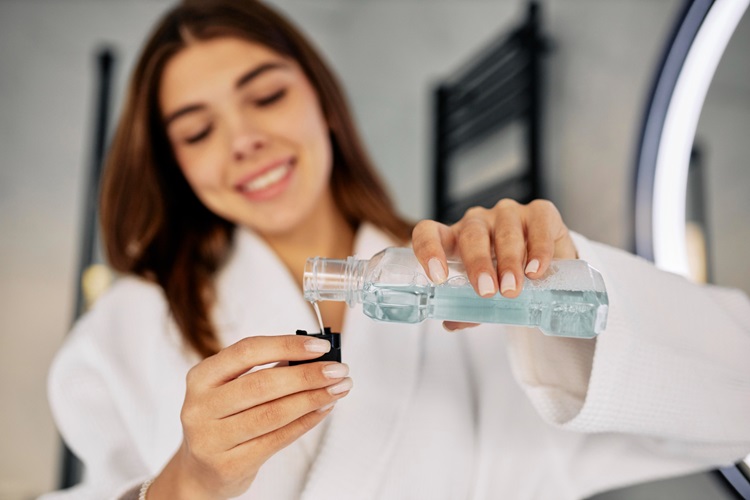
Use warm salt water or alcohol-free medicated rinses one or two times daily to keep the area clean. Swish gently and spit out, then avoid food for about 15 minutes.
Nutritional Support
If canker sores happen often, low vitamin B12 or iron could be the cause. A blood test can confirm this, and supplements may help reduce outbreaks over time.

Advanced Treatments for Severe Pain
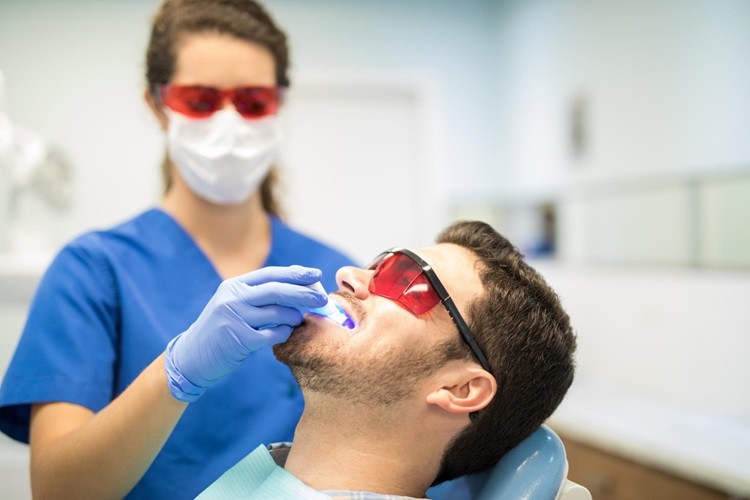
For severe pain, dentists may use laser therapy or cauterization to heal stubborn sores quickly, but these are only last-resort treatments for when normal methods don’t work.
Do you want to know how much cosmetic dentistry costs in North York? Visit the link and get a quick overview of the prices.
When to Seek Professional Care
Most cold sores and canker sores heal naturally. But if you faced with these red flags, you need to see a doctor:
| When to Seek Help | Why It Matters |
| Sore persists longer than 2 weeks | A sore that won’t heal may require prescription treatment or medical evaluation. |
| Very large or extremely painful sores | Intense or spreading sores can be a sign of severe outbreak that needs stronger medication. |
| First-ever outbreak or uncertain diagnosis | A doctor can confirm whether it’s a cold sore or something else, and discuss antiviral options. |
| Sores with high fever or swollen glands | These symptoms may signal a serious infection. |
| Weakened immune system (HIV, chemo, etc.) | Immune suppression can make sores more severe; medical supervision is important. |
Note: your dentist might recommend other treatments, such as dental fillings or teeth whitening, based on your overall oral health.
Move Forward to Healing
Living with cold sores and canker sores can be a real pain, but with the right care, you can take control. If you want to keep your smile healthy and radiant, Smile Avenue Dentistry offers dental hygiene in North York, including dental cleanings with experienced dentists.
FAQ
How long do cold sores and canker sores usually last?
Both usually go away on their own in 1-2 weeks. If a sore sticks around for more than two weeks or feels really bad, see a dentist or doctor.
Can you catch a canker sore?
Only cold sores can spread. They come from the herpes virus and are passed through kissing or sharing things. Canker sores are not contagious; you can’t catch them from anyone.
What triggers these sores?
Cold sores are triggered by stress, illness, or sun. Canker sores are caused by mouth injuries, spicy or acidic food, stress, or low iron or vitamin B12.
Can I treat them at home?
Yes, you can treat them at home. For cold sores, use antiviral creams like docosanol/Abreva and lip balms. For canker sores, try numbing gels and saltwater rinses. Home care helps with pain but doesn’t cure the sores.
When should I see a dentist or doctor?
If a sore lasts more than two weeks, is very painful or big, or if it’s your first outbreak. Also, see a doctor if you have a fever or a weak immune system. Sometimes you need extra medical help.
Have you ever experienced cold sores or canker sores, or found a treatment that worked best for you Share your experience or questions in the comments below. We’d love to hear from you!